



 WhatsApp
 Facebook
 Send Email

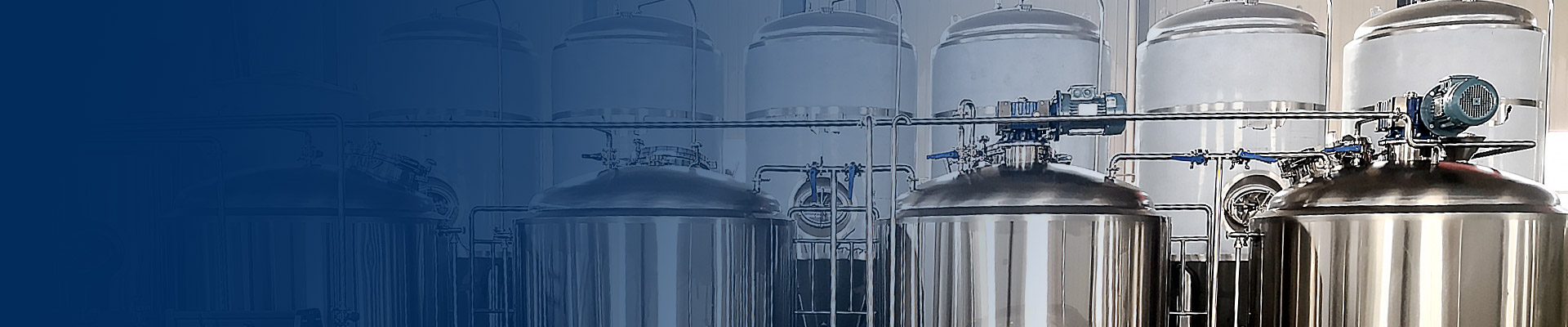
What Should You Consider Before Buying Beer Brewing Equipment?
Purchasing Brewing Equipment: It’s About More Than Just Tank Capacity
Setting up a brewery might seem straightforward at first: find a suitable facility, determine your target production volume, and start looking for brewing equipment.
However, once you begin comparing quotes from different suppliers, you’ll quickly realize there are many more factors to consider.
Why do some suppliers recommend a two-vessel brewhouse, while others suggest a three-vessel setup? Will a 5,000L brewing system actually meet your production goals? How many fermentation tanks do you need? And how should you go about selecting cooling systems, steam boilers, and packaging equipment?
These questions are best addressed before placing an order.
Jinan Supermax Machinery Co., Ltd. provides brewing equipment for breweries of all scales—from small-scale craft projects and commercial operations to full-scale industrial production lines. We believe that equipment configuration should be determined by a client’s specific production and sales plans, rather than being based solely on tank size.
1. Define Production Needs Before Consulting Equipment Catalogs
A common pitfall when setting up a brewery is selecting the brewhouse equipment before considering the rest of the operation.
For instance, a client might express interest in a 1,000L brewing system. While this may seem like a clear requirement, many critical details remain unresolved: How many batches do you plan to brew per day? How long will the beer remain in the fermentation tanks? Are you producing lagers, ales, or a diverse range of beer styles?
All of these factors directly influence the necessary equipment configuration.
Small-scale breweries might start with a 1BBL or 5BBL micro-brewing system. For a growing craft beer business, a 7BBL brewhouse might be more appropriate, while 20BBL or 30BBL commercial systems are better suited for higher production demands.
Jinan Supermax Machinery Co., Ltd. advises clients to map out their production cycles before finalizing their equipment list. Pay particular attention to the fermentation stage—remember that once a batch of wort is brewed, the beer cannot be removed from the fermentation tank immediately.
2. The Number of Fermentation Tanks Affects Actual Beer Output
A brewery might possess a large brewhouse, yet still be unable to increase its finished beer output. One potential reason for this is insufficient fermentation capacity.
To take a simple example: if your brewhouse produces 1,000 liters of wort per batch, and the fermentation process takes several weeks, you must have an adequate number of fermentation tanks to accommodate multiple batches at various stages of fermentation.
This is particularly critical for the production of lager beers, which often require longer periods for fermentation and maturation.
Bright beer tanks should also be factored into your overall planning. These are primarily used to store beer that has completed fermentation and processing, before it is transferred to the packaging line.
Jinan Supermax Machinery Co., Ltd. offers fermentation and bright beer tanks in various capacities, tailored to the specific production requirements of different breweries.
3. Do Not Overlook Cooling and Heating Systems
When reviewing quotes for brewery equipment, clients often focus primarily on the stainless steel tanks. In reality, however, the auxiliary systems are just as important.
Let’s start with the cooling system.
A brewery’s refrigeration unit does more than just cool a single tank. During wort cooling, the system must supply a cold source to the plate heat exchanger, while simultaneously managing temperature control for the fermentation and bright beer tanks.
If the cooling capacity is not calculated accurately, the brewery may encounter unstable temperature control during actual production.
The heating system is another aspect that requires advance planning. Depending on local energy availability and the design of the brewhouse, you might choose an electric steam boiler or a fuel-fired steam boiler.
In some projects, where power supply conditions are favorable, an electric steam boiler may be the preferred choice. Other clients may opt for gas- or oil-fired boilers, depending on operating costs and the availability of local energy supplies.
These decisions should be made during the design phase of the entire brewery system, rather than after the major equipment has already been purchased.
4. How Should You Choose a Packaging/Filling Line?
Producing high-quality beer is only one part of the process; the finished product must also be packaged in a format suitable for its target market.
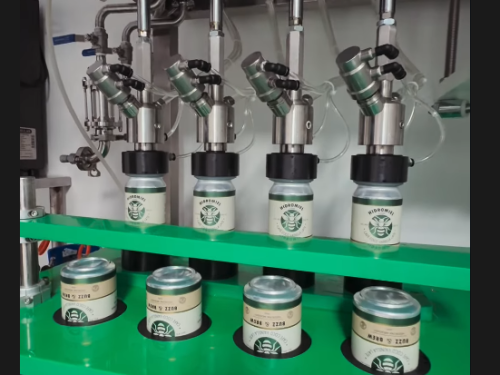
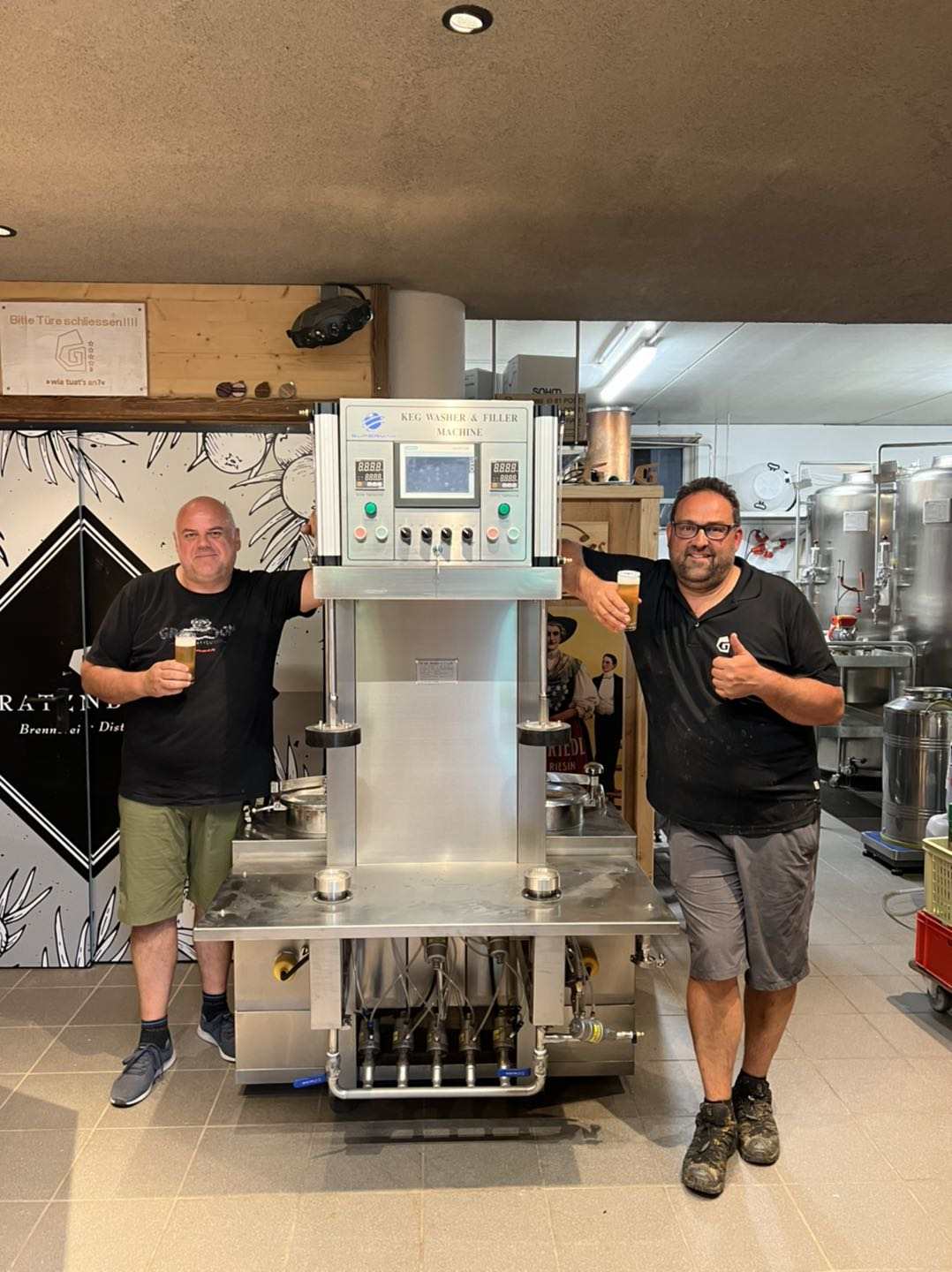
Some craft breweries focus on draft beer, which requires keg-filling equipment. Others sell their products through supermarkets, distributors, or retail channels—in these cases, a glass bottle or can-filling line may be more appropriate.
If a brewery plans to offer beer in multiple packaging formats, it may need to implement more than one filling solution.
When selecting a packaging line, it is advisable to consider factors such as actual filling speed, labor requirements, available floor space, and how the equipment connects to the bright beer tanks (BBTs).
When discussing complete brewery solutions, Jinan Supermax Machinery Co., Ltd. also carefully considers the integration between beer storage equipment and packaging systems.
After all, if the packaging line cannot keep pace with production, even an increased brewing output will not necessarily result in the beer being packaged in a timely manner.
5. Choose a Brewery Equipment Manufacturer That Truly Understands Your Project Requirements
There are many suppliers of brewing equipment on the market today, and at first glance, their product lists may appear quite similar.
However, as you begin to discuss the specifics of your project, the differences often become clear.
Can the supplier explain why a certain number of fermentation tanks is recommended? Is the cooling system properly matched to the brewhouse and storage tanks? Can the equipment layout be adapted to your facility? Does the quote include a boiler and a packaging/bottling line?
These details are often far more significant than simply comparing the number of items listed in two different quotes.
Jinan Supermax Machinery Co., Ltd. specializes in the manufacture of brewing equipment, providing customized solutions for both new breweries and existing operations looking to scale up production.
Our product range includes micro-brewing systems, commercial brewing systems, industrial-scale brewery equipment, fermentation tanks, bright beer tanks, cooling systems, steam boilers, and beer packaging equipment.
Whether you are planning a 5BBL craft brewing system or a larger-scale commercial brewery, the first step is to clearly define your production requirements.
You do not need to prepare complex technical documentation when inquiring about equipment. Basic information—such as your target production capacity, the types of beer you intend to brew, your available facility space, and your packaging needs—is a great place to start.

-
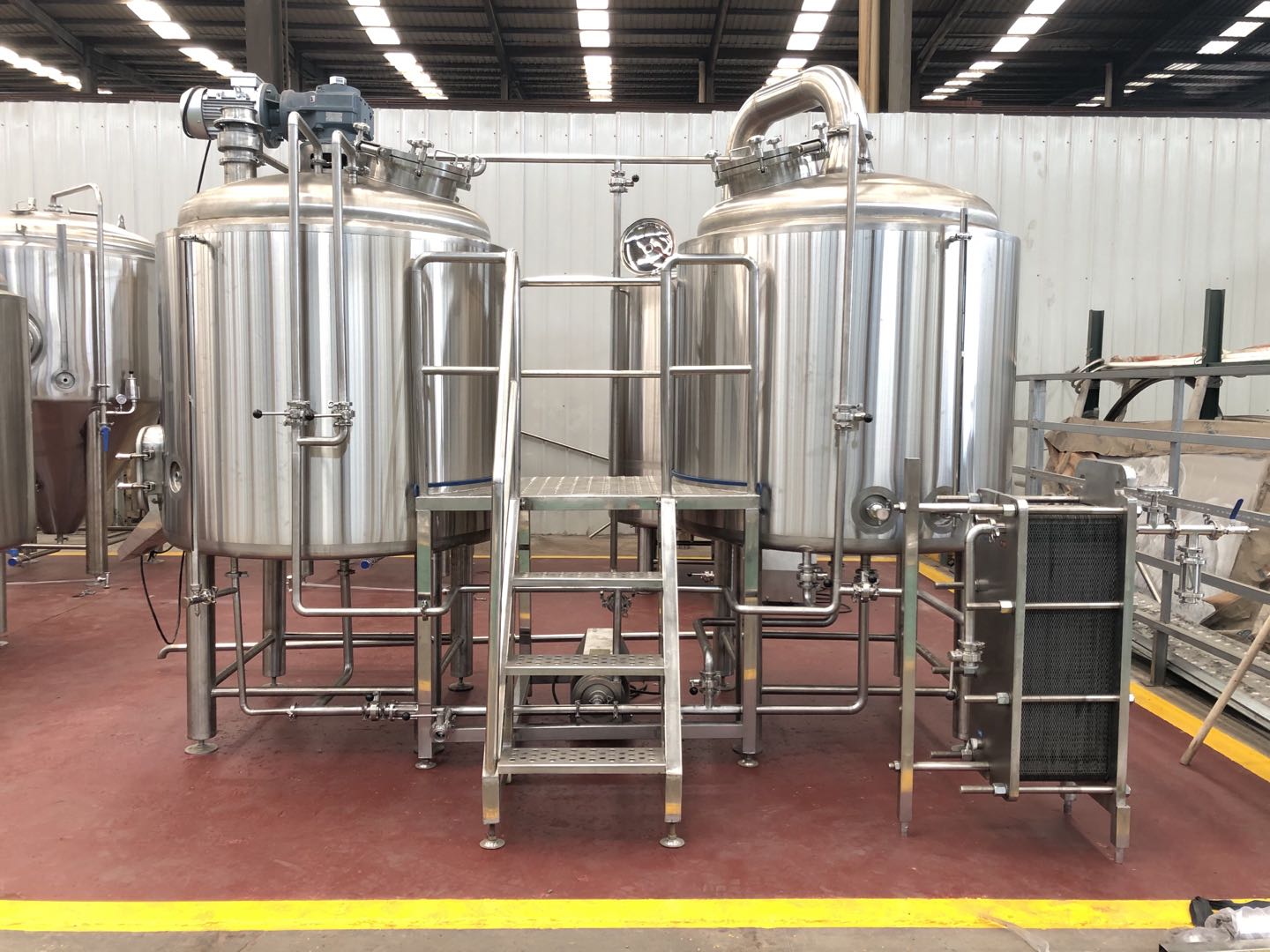
1000L Craft Beer Equipment
Read More -
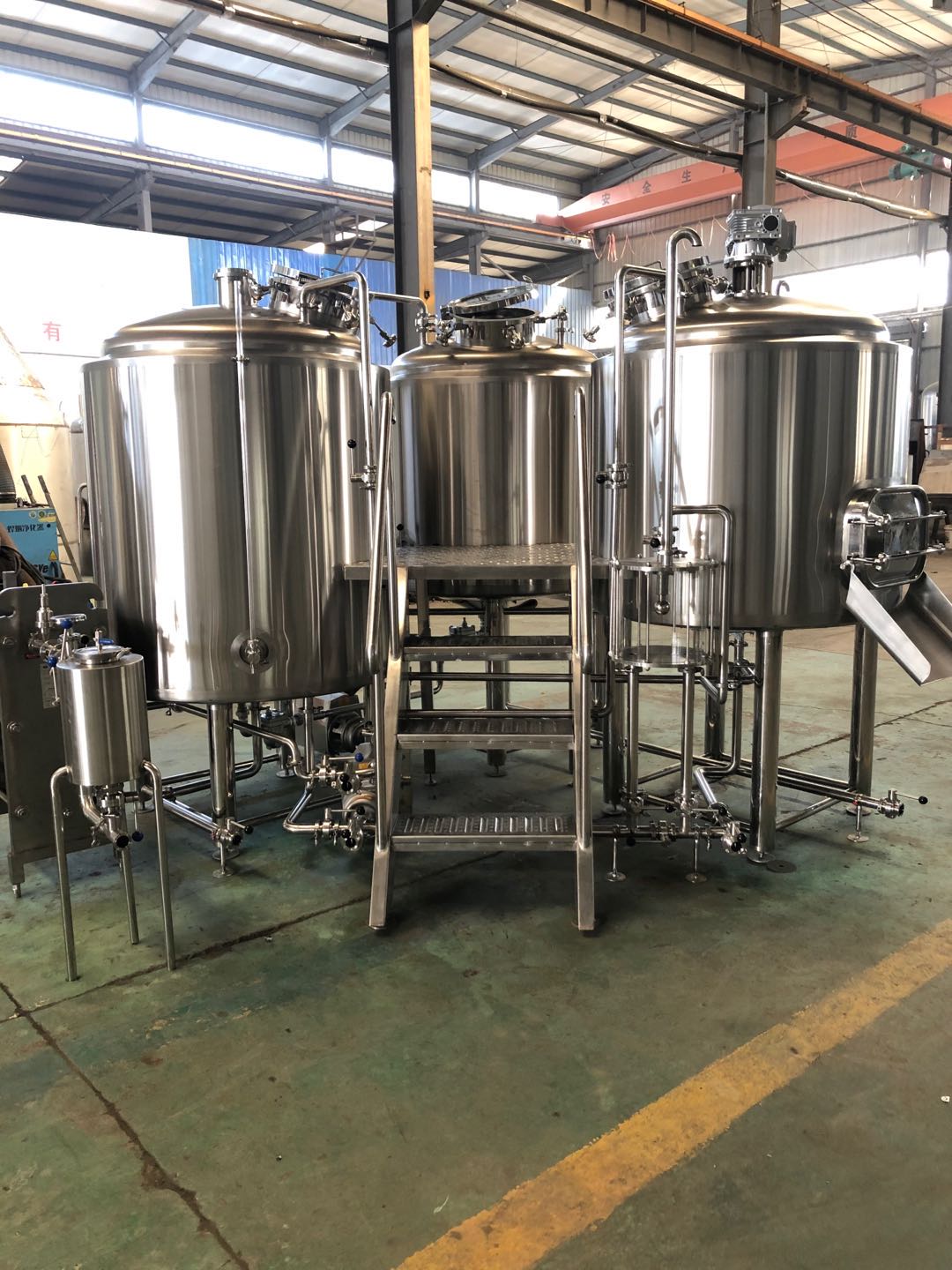
500L Beer Brewhouse
Read More -
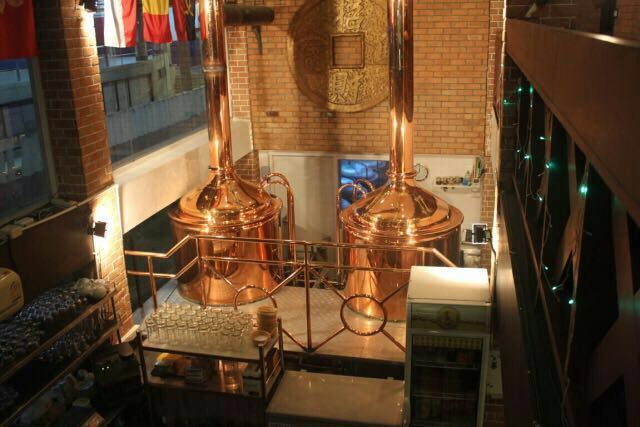
100L-300L Beer Brewing Equipme
Read More -
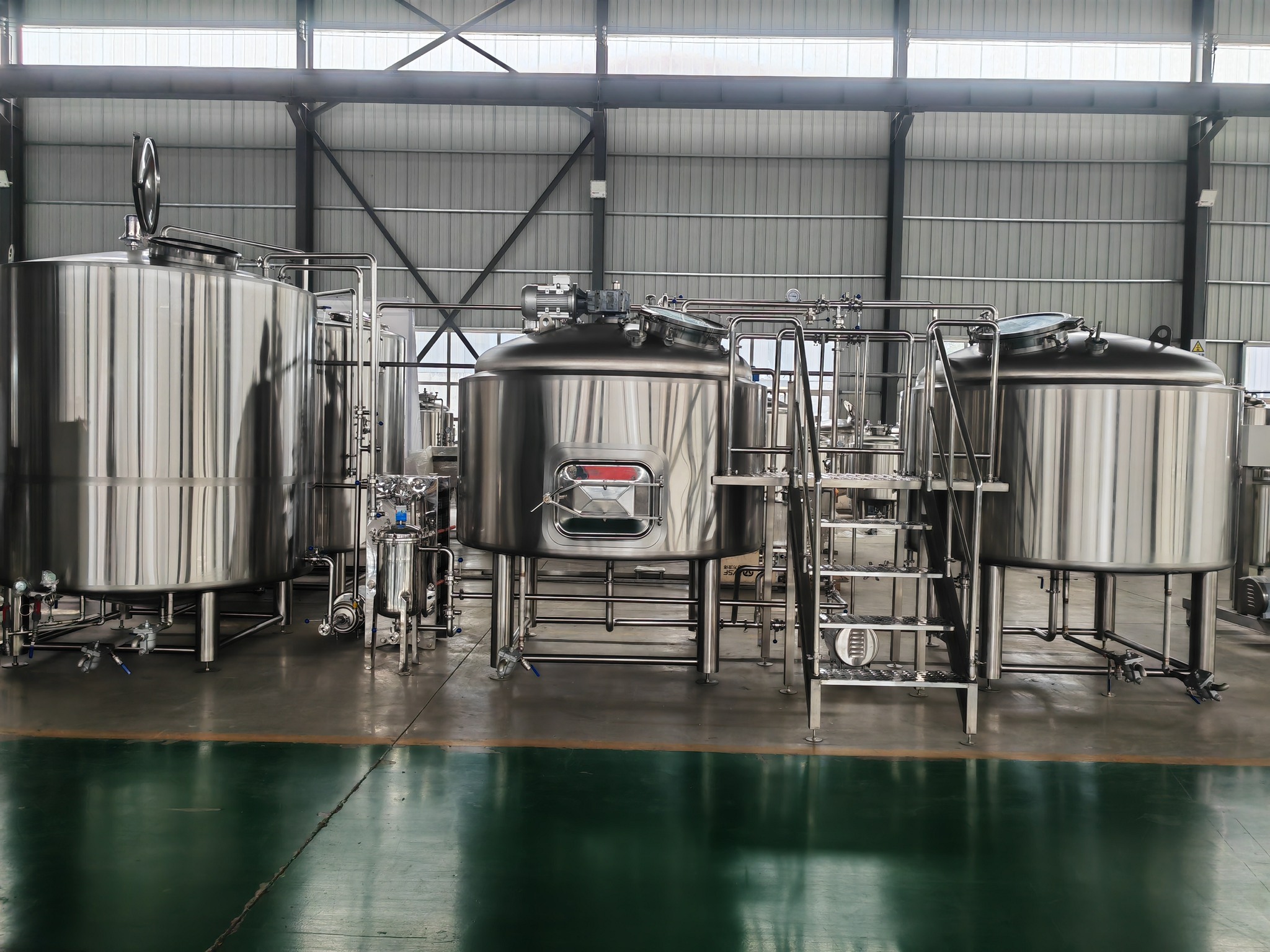
2000L Brewing Beer Equipment
Read More -
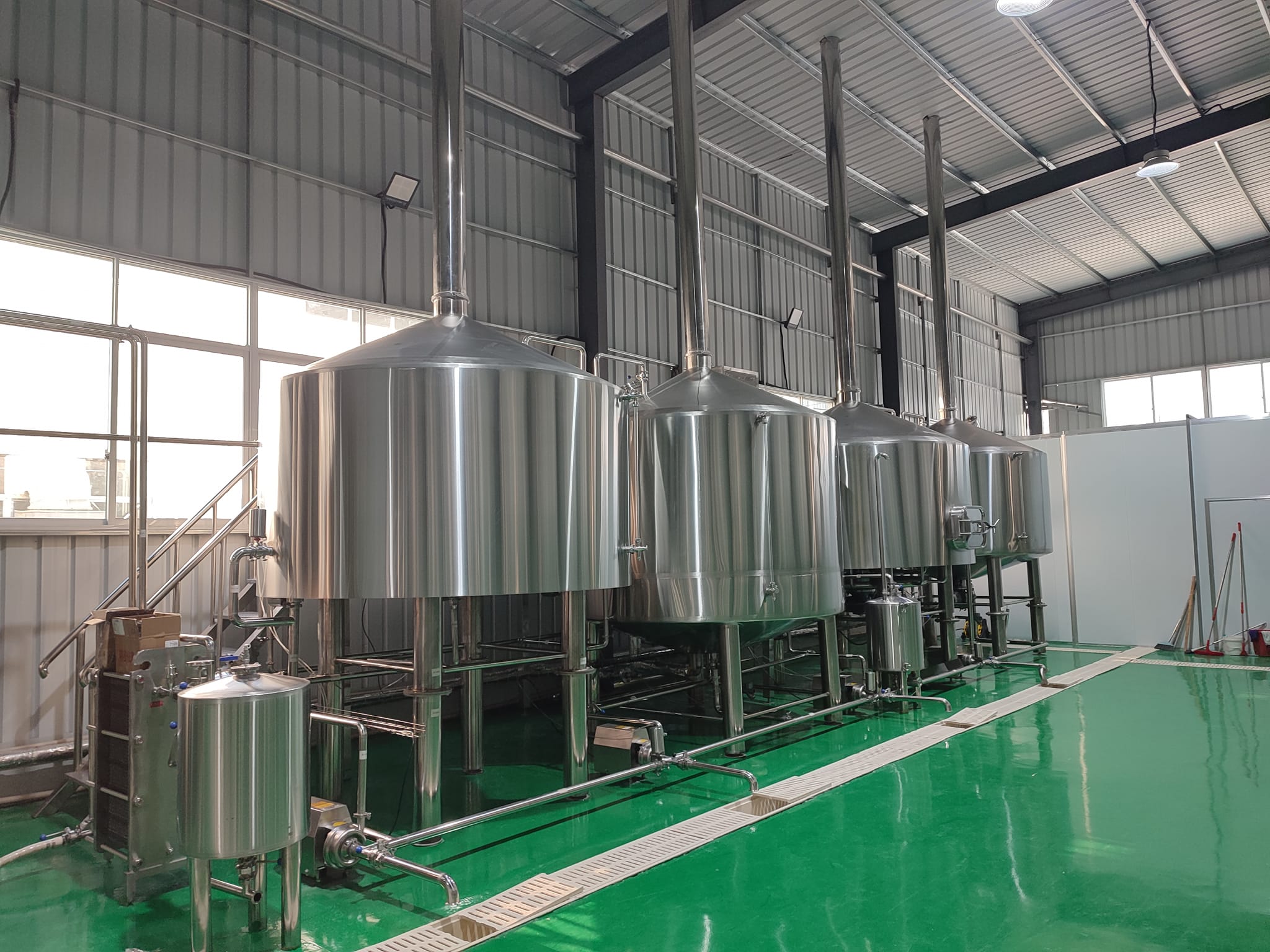
3000L Turnkey Brewery Equipmen
Read More -
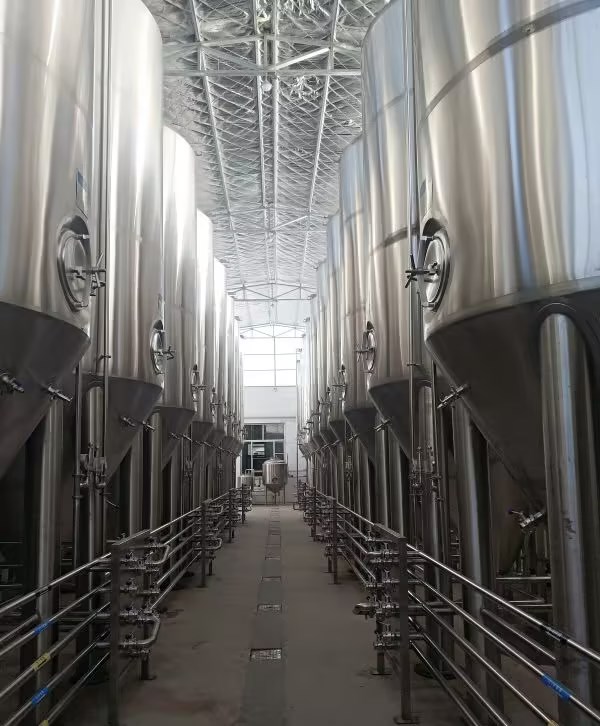
300L-5000L Fermentation System
Read More -
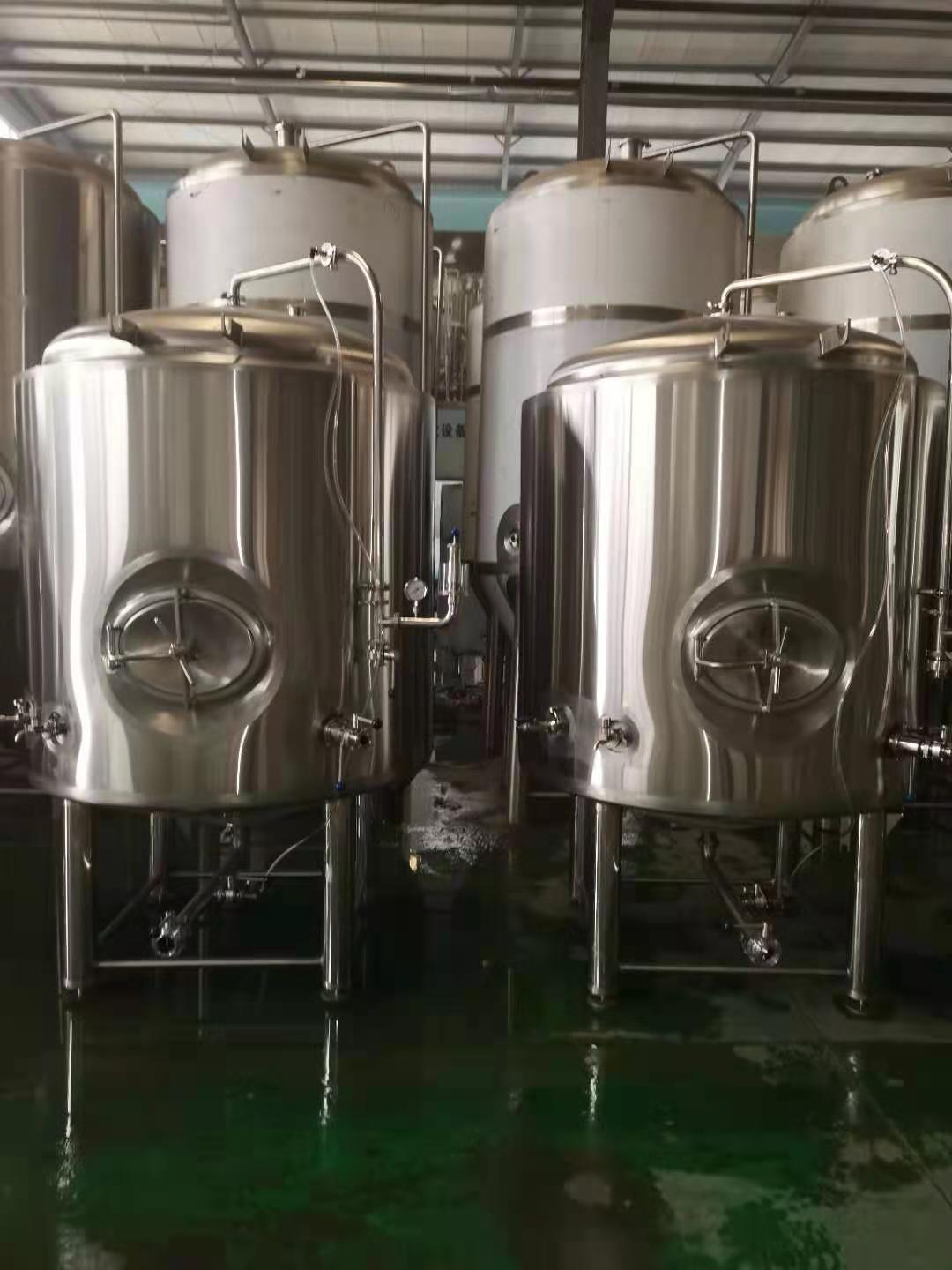
300L-5000L Brite Beer Tanks
Read More -
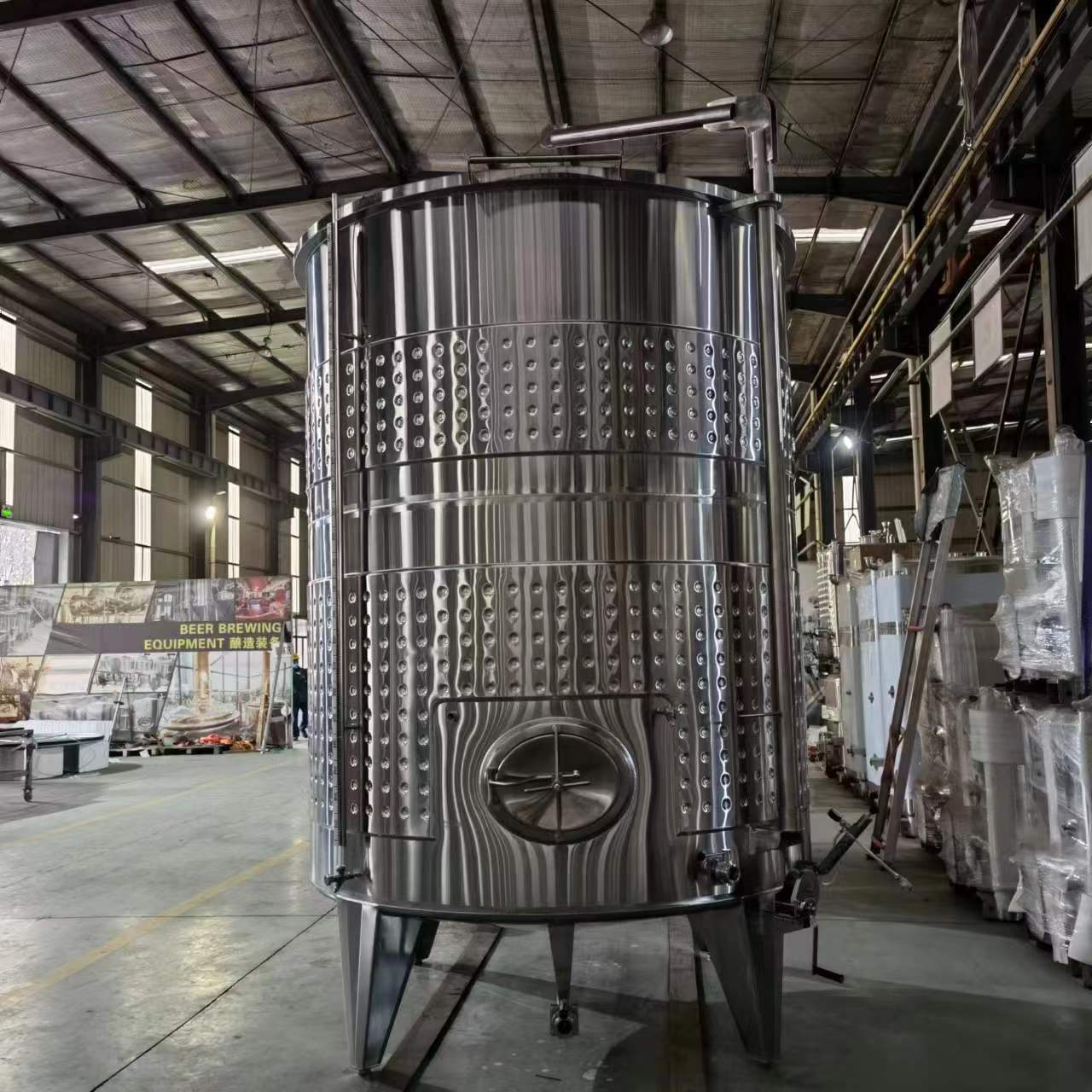
Fruit Wine Equipment
Read More -
Beer Filling System
Read More -
Auxiliary Products
Read More