



 WhatsApp
 Facebook
 Send Email

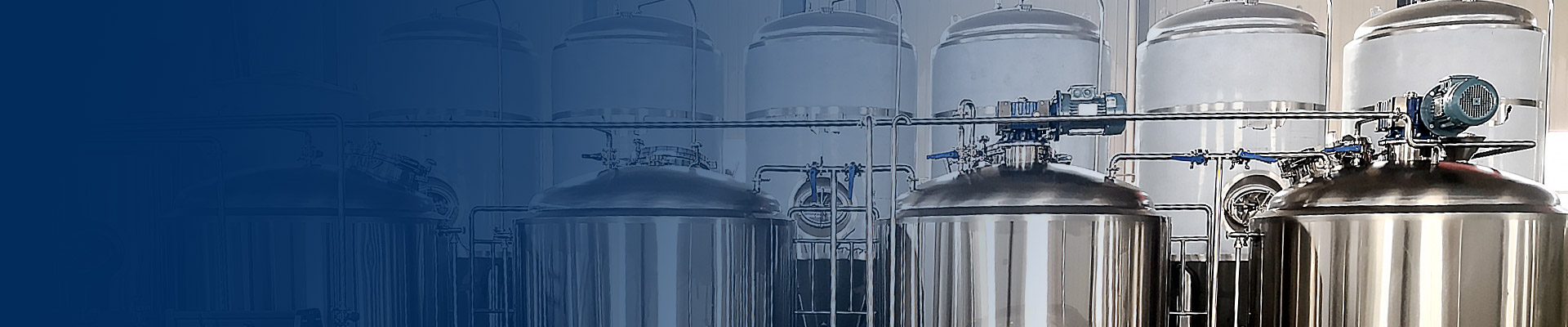
304 vs 316 Stainless Steel for Brewery Equipment: Which Is Better?
As the brewing industry continues to prioritize equipment durability, hygiene, and long-term operating efficiency, the choice of stainless steel has become an important consideration for breweries. Among the available materials, 304 and 316 stainless steel remain two of the most widely used options for brewery equipment. But which grade is better for brewing applications?
Understanding the Differences Between 304 and 316 Stainless Steel
Why Material Selection Matters in Brewing
Brewery equipment regularly comes into contact with water, wort, beer, cleaning agents, and sanitizing solutions. Over time, these substances can affect the performance and service life of metal surfaces, especially when cleaning procedures, temperatures, or chemical concentrations are not properly controlled.Choosing the appropriate stainless steel grade can help reduce corrosion risks, maintain hygienic surfaces, and support consistent brewing operations. However, material grade alone does not guarantee performance. Surface finish, weld quality, fabrication practices, drainage design, and cleaning procedures are also essential factors.304 Stainless Steel: A Practical Choice for Many Breweries
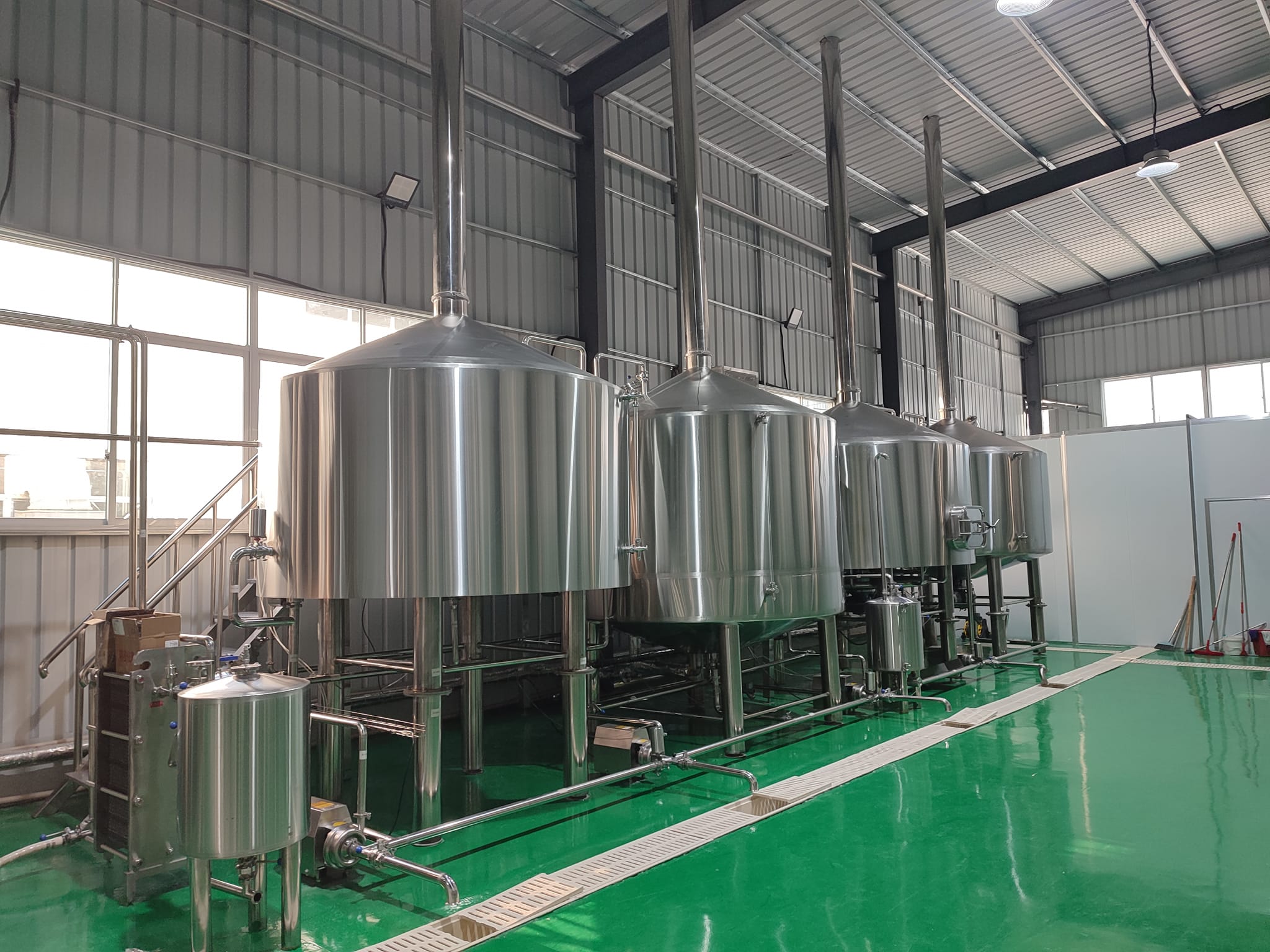
For breweries with controlled water chemistry and standard cleaning procedures, 304 stainless steel often provides an effective balance of performance and cost.Common applications include:- Brewing vessels and mash tuns
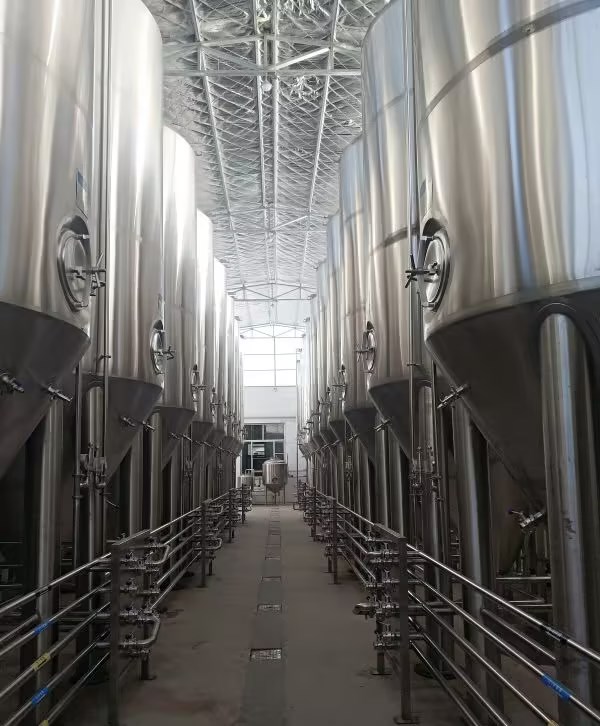
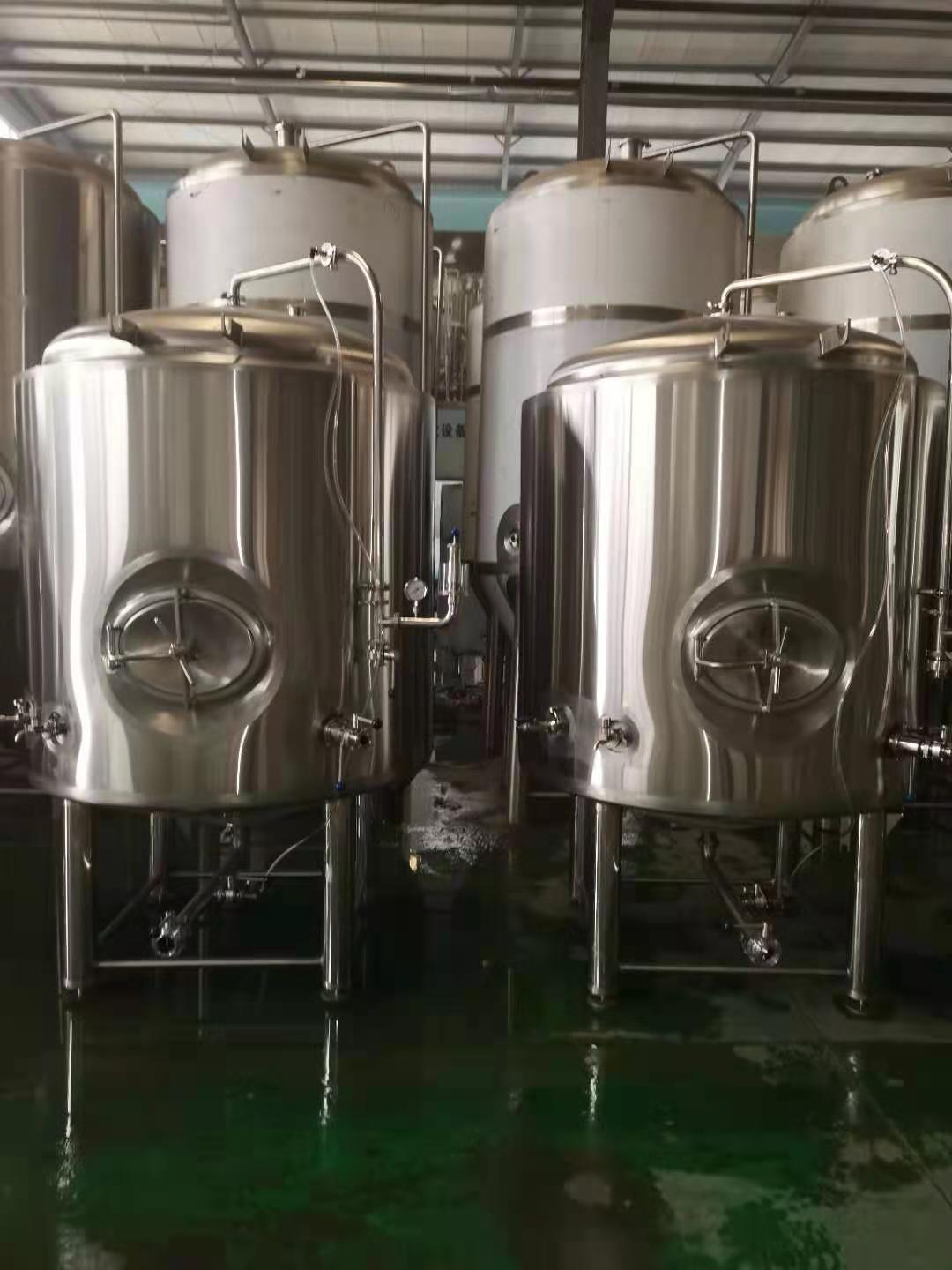
- Fermentation and beer storage tanks
- General-purpose process piping
- Work platforms and equipment frames
316 Stainless Steel: Enhanced Protection for Demanding Conditions
For equipment exposed to higher chloride levels or more corrosive process conditions, 316 stainless steel may offer greater protection against localized corrosion.It is particularly worth considering for:- Equipment exposed to chloride-containing water or cleaning solutions
- Specialized process systems with demanding sanitation requirements
- Components operating in more corrosive environments
- Applications where additional corrosion resistance justifies the higher initial investment
Cost vs. Long-Term Performance
The decision between 304 and 316 stainless steel should not be based on purchase price alone. Breweries should evaluate water chemistry, cleaning and sanitizing procedures, operating temperatures, expected equipment life, and maintenance costs.For many standard brewing applications, 304 stainless steel is a cost-effective solution. For chloride-rich or otherwise more corrosive environments, 316 stainless steel may provide better long-term value.It is also important to confirm that the selected material meets applicable food-contact requirements and the project's relevant engineering specifications.Conclusion: Which Stainless Steel Is Better for Brewery Equipment?
There is no single answer for every brewery. 304 stainless steel is often the practical choice for standard brewing applications, while 316 stainless steel is generally preferable when greater resistance to chloride-related corrosion is required.Before purchasing brewery equipment, manufacturers and brewery operators should assess their specific process conditions and consult qualified equipment or materials specialists. Selecting the right stainless steel grade from the beginning can help improve equipment reliability, protect product quality, and support long-term operational efficiency.

-
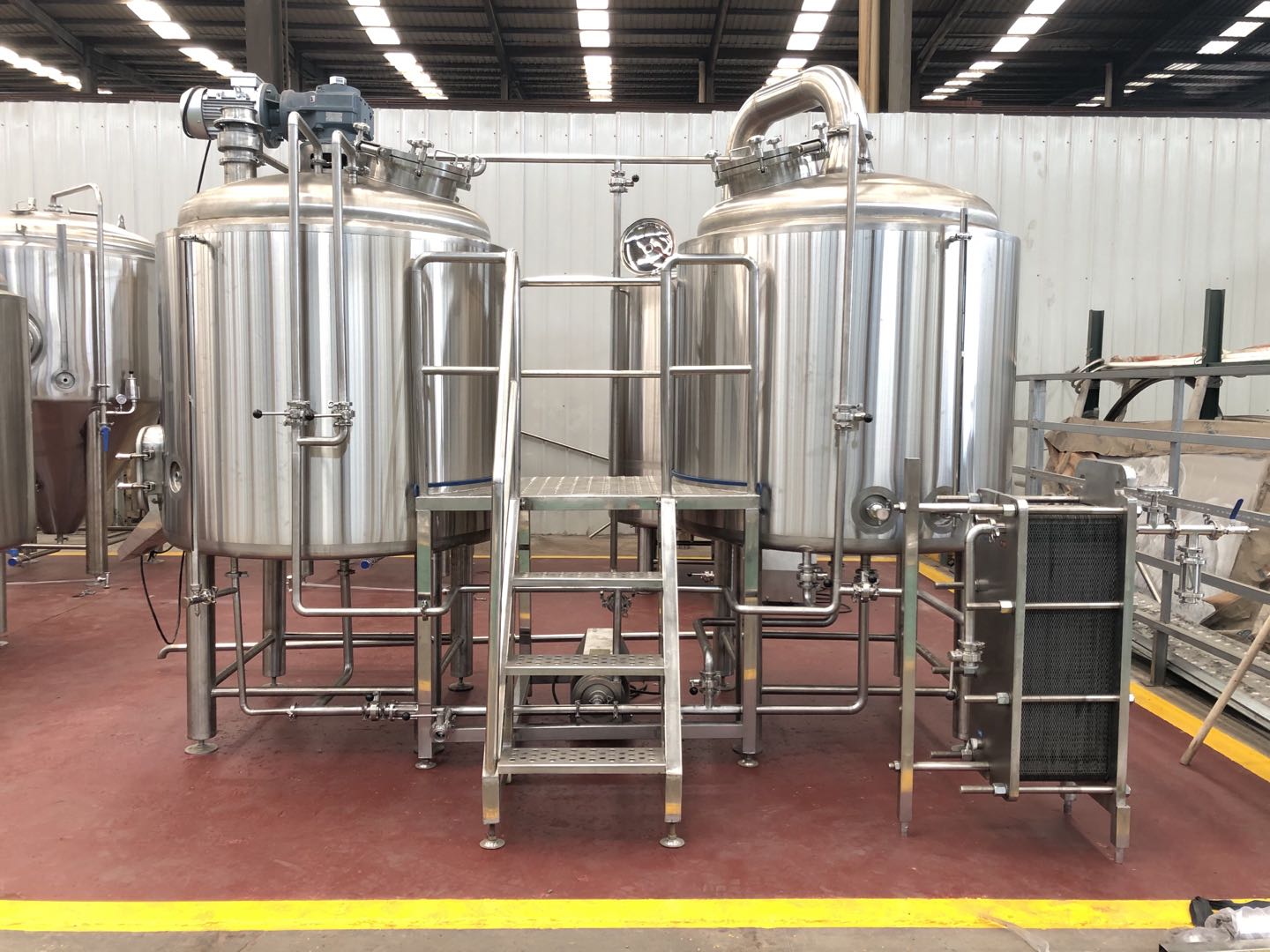
1000L Craft Beer Equipment
Read More -
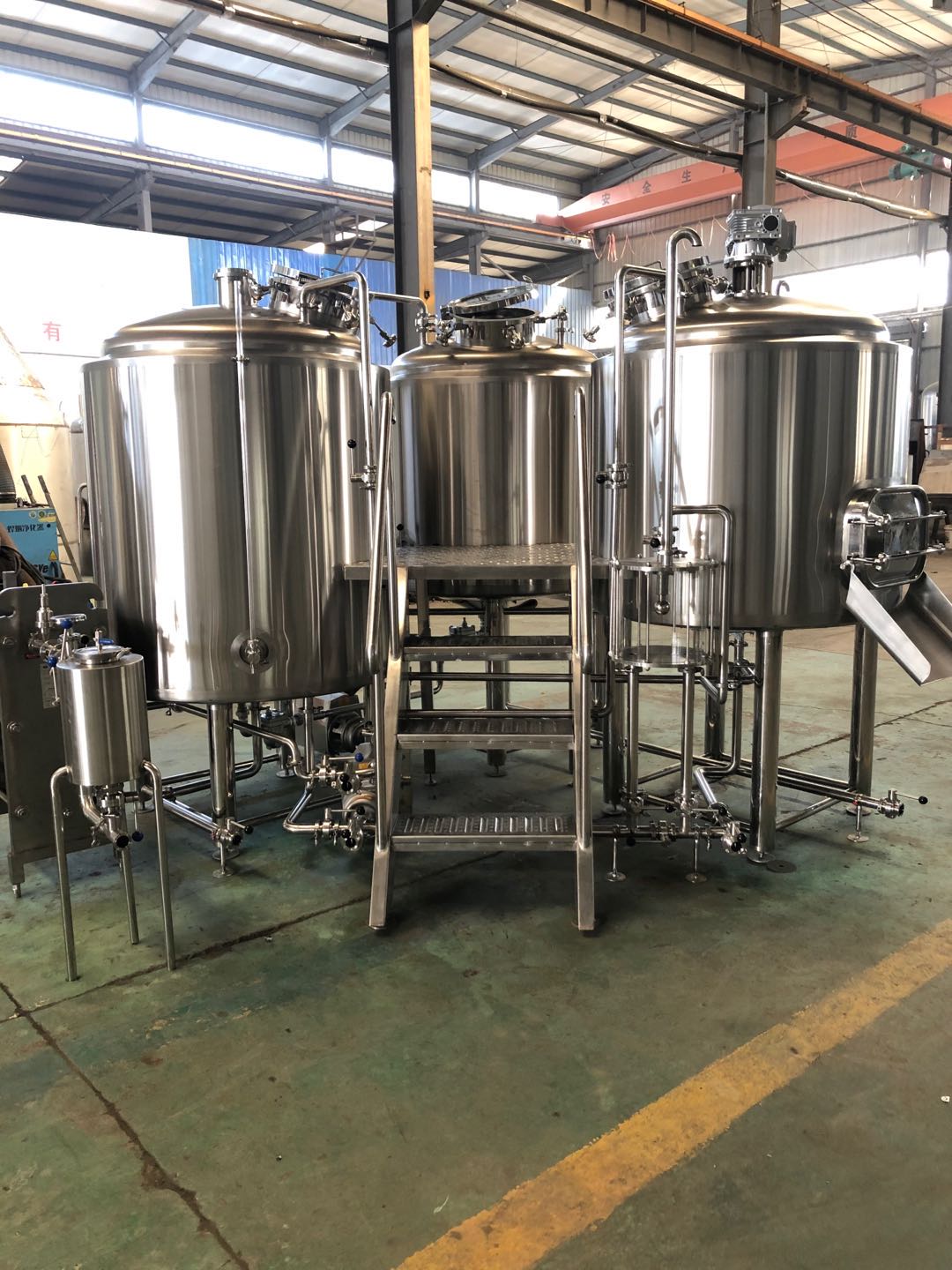
500L Beer Brewhouse
Read More -
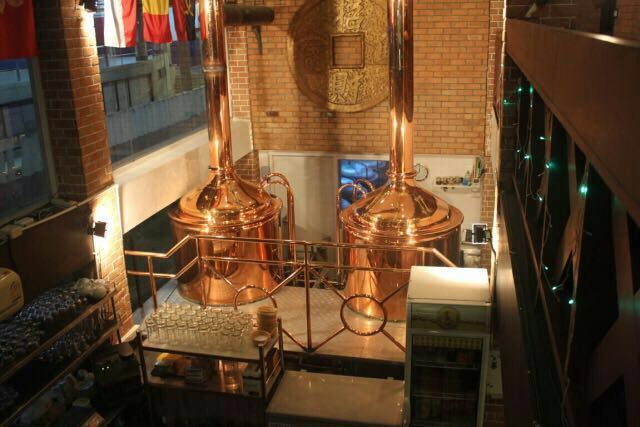
100L-300L Beer Brewing Equipme
Read More -
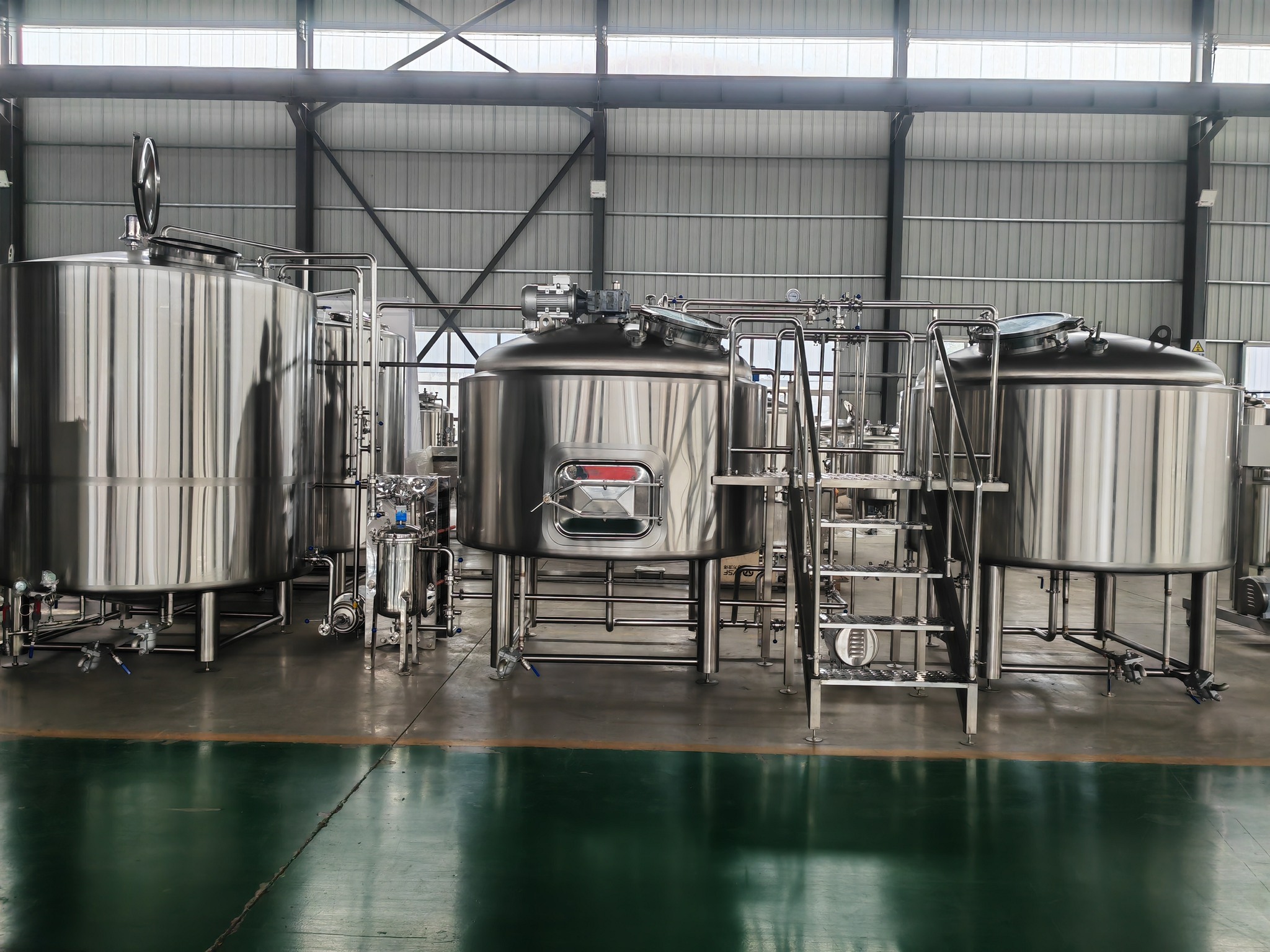
2000L Brewing Beer Equipment
Read More -
3000L Turnkey Brewery Equipmen
Read More -
300L-5000L Fermentation System
Read More -
300L-5000L Brite Beer Tanks
Read More -
Fruit Wine Equipment
Read More -
Beer Filling System
Read More -
Auxiliary Products
Read More