Starting a brewery is an exciting opportunity for entrepreneurs who are passionate about craft beer. However, building a successful brewery requires much more than a great beer recipe. From market research and business planning to brewery design, licensing, brewing equipment, production, packaging, and distribution, every part of the project needs to work together.
For anyone asking “How do I start a brewery?”, this guide covers the key steps you need to consider before opening a brewery and explains how choosing the right brewery equipment can help create a reliable foundation for long-term growth.
1. Define Your Brewery Business Model
Before purchasing any equipment, determine what type of brewery you want to build.
Common brewery models include:
- Microbrewery
- Craft brewery
- Commercial brewery
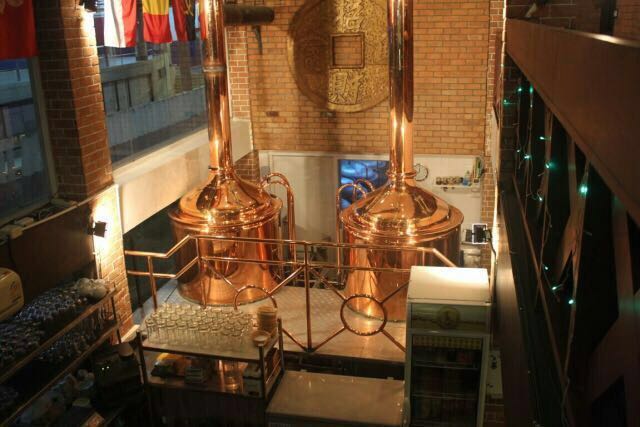
- Brewpub
- Brewery with a taproom
- Production brewery for wholesale distribution
- Contract brewing operation
Each model requires a different approach to production capacity, brewery layout, equipment configuration, packaging, and sales.
For example, a small brewpub may prioritize a compact brewhouse and direct customer sales, while a production brewery supplying restaurants, retailers, or distributors may require larger fermentation capacity and a dedicated packaging system.
Your business model should therefore be the starting point for your brewery equipment plan.
2. Research Your Target Market
Before investing in a brewery, understand the market you intend to serve.
Research local competitors, customer preferences, beer styles, pricing, distribution channels, and potential demand.
Consider questions such as:
- Who are your target customers?
- Which beer styles are popular in your market?
- Who are your main competitors?
- Will you sell beer through a taproom, restaurants, retailers, distributors, or multiple channels?
- What production volume could your market realistically support?
- What makes your brewery different?
A clear understanding of your market will help you determine the appropriate brewery size and production capacity.
3. Create a Detailed Brewery Business Plan
A brewery business plan should connect your market strategy with your production strategy.
Your plan should include:
Business concept – What is your brewery's identity and competitive advantage?
Product portfolio – What beer styles will you produce?
Production capacity – How much beer do you plan to produce per batch and per year?
Sales channels – How will your beer reach customers?
Facility requirements – How much space will you need for brewing, fermentation, storage, packaging, and sales?
Financial planning – What are your expected equipment, construction, labor, ingredient, packaging, and operating costs?
A detailed plan will also make it easier to communicate your requirements to a professional brewery equipment manufacturer.
4. Choose the Right Brewery Location
The location of your brewery can have a major impact on both startup costs and future operations.
When evaluating a facility, consider:
- Available floor space
- Water supply
- Drainage
- Electrical capacity
- Heating requirements
- Ventilation
- Floor loading
- Wastewater management
- Raw material storage
- Finished beer storage
- Delivery access
- Local zoning requirements
If your brewery will include a taproom, customer accessibility, visibility, parking, and surrounding businesses may also be important.
A good brewery layout should allow raw materials to move efficiently into production and finished beer to move smoothly toward packaging, storage, and distribution.
5. Check Brewery Licensing and Regulations
Alcohol production is regulated in most markets. Licensing requirements vary depending on the country, state, province, and city where your brewery will operate.
Depending on the project, you may need approvals related to:
- Alcohol production
- Business registration
- Food and beverage operations
- Building and zoning
- Fire safety
- Health and sanitation
- Environmental protection
- Wastewater treatment
It is important to investigate these requirements early. Regulations can influence your facility design, equipment specifications, production process, and project schedule.
6. Design Your Brewery Production System
Once your production goals and facility requirements are clear, you can begin designing the brewery.
A typical brewery production system may include:
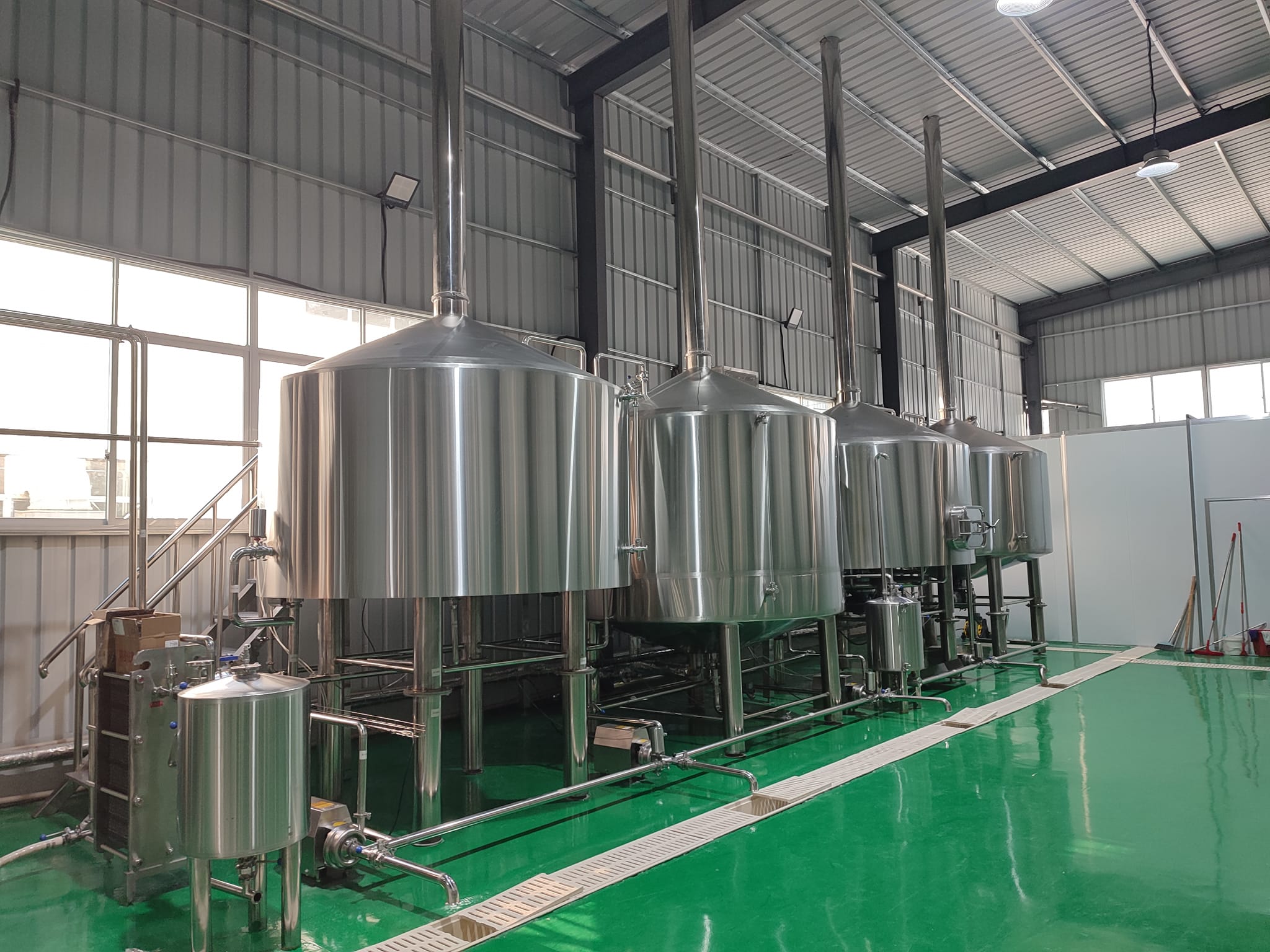
Brewhouse
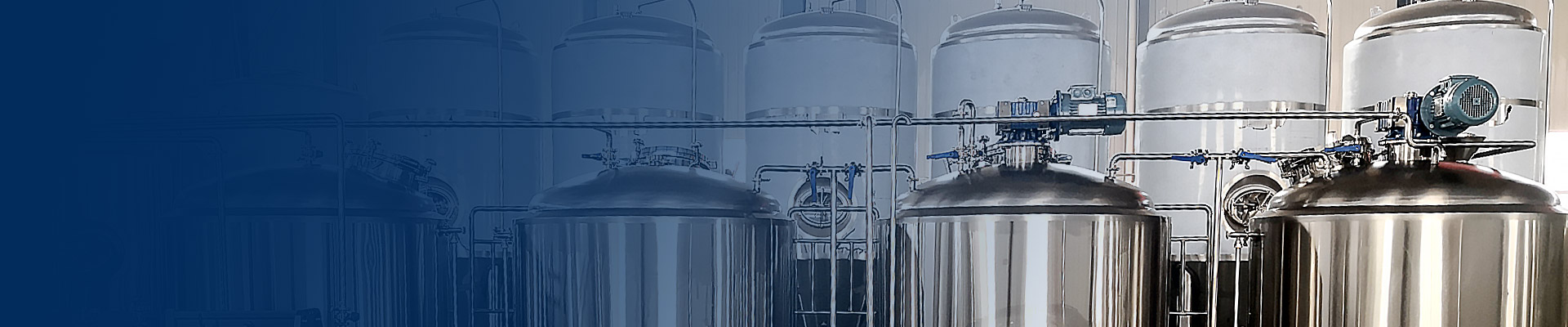
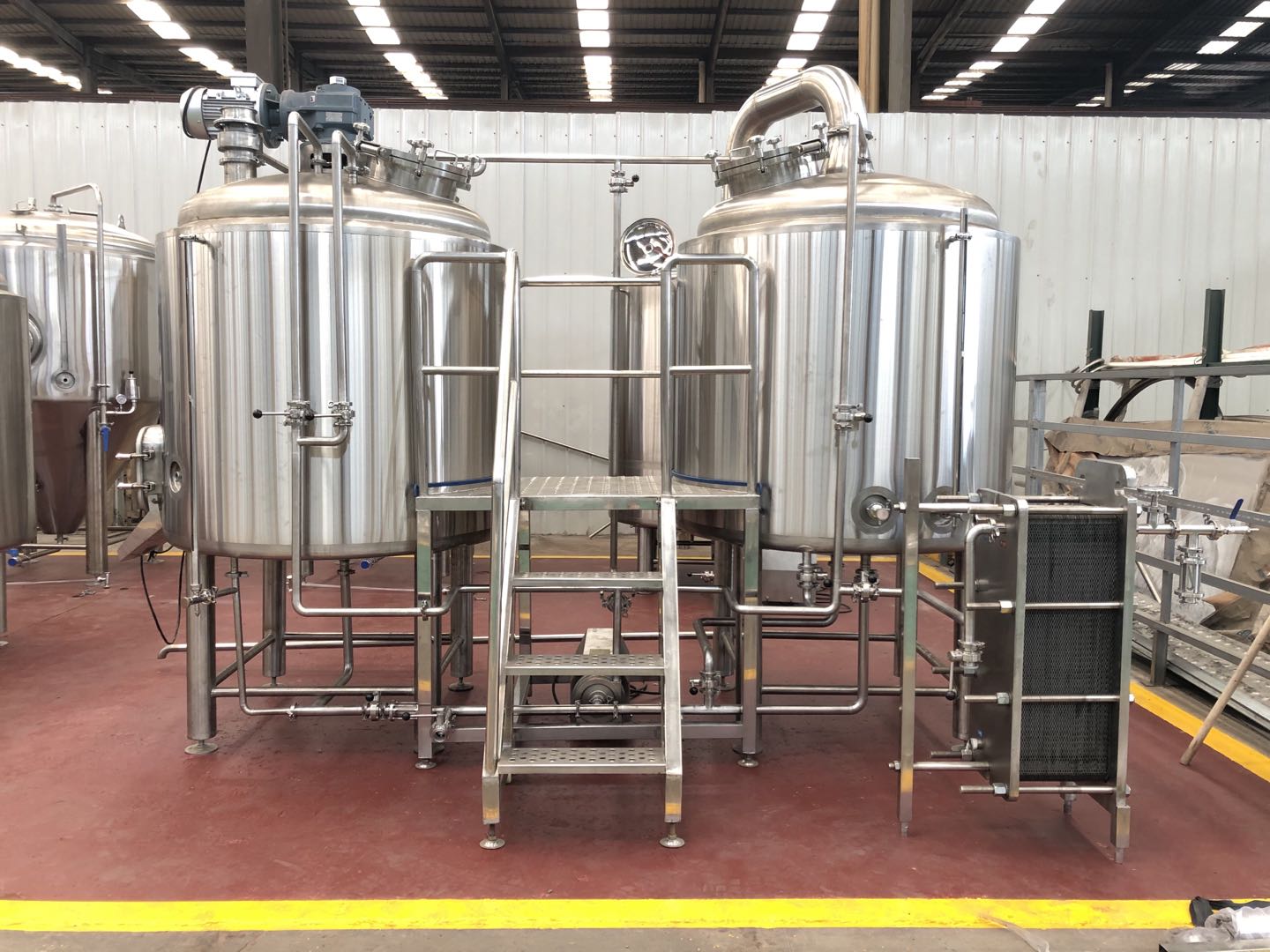
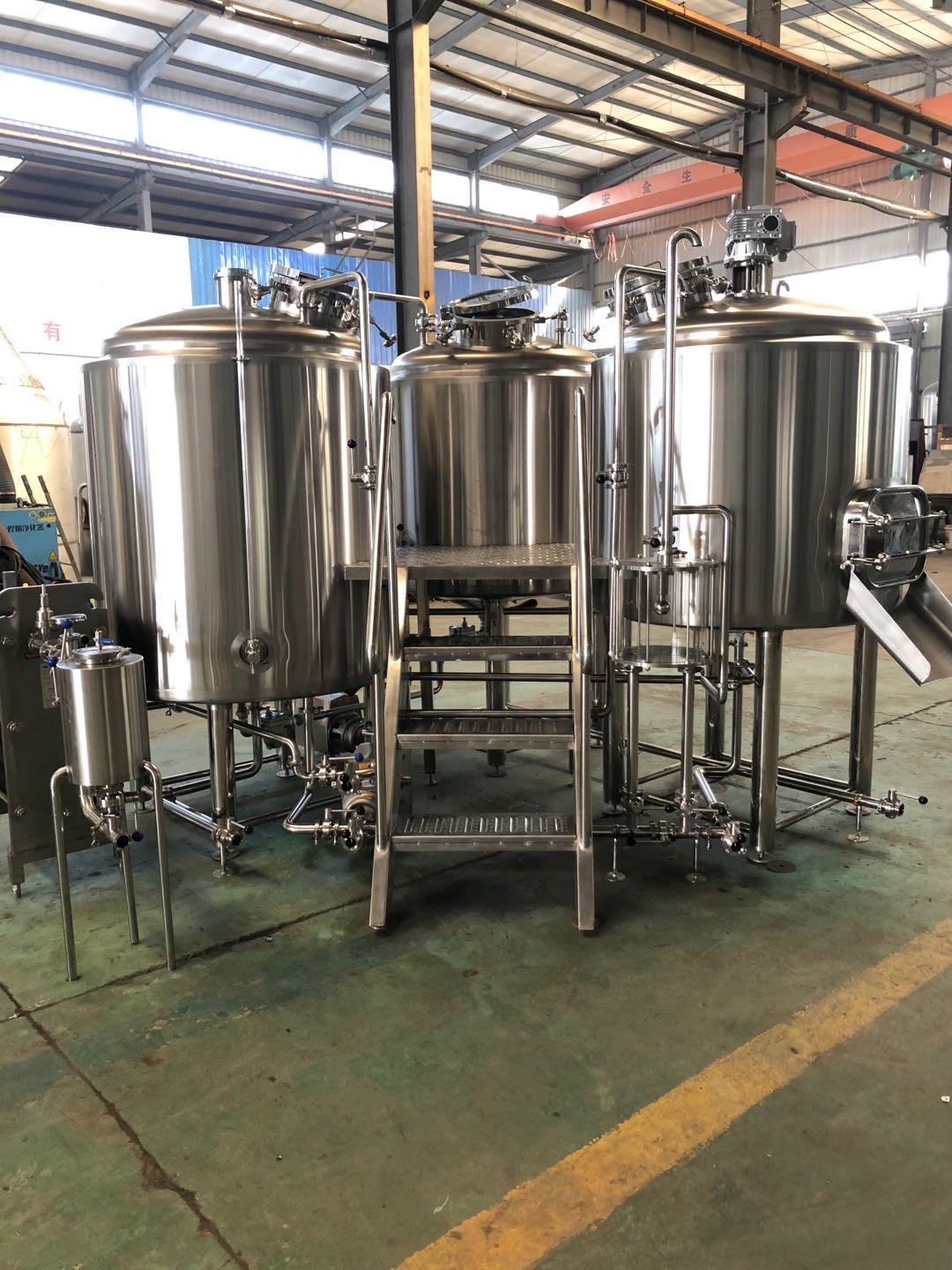
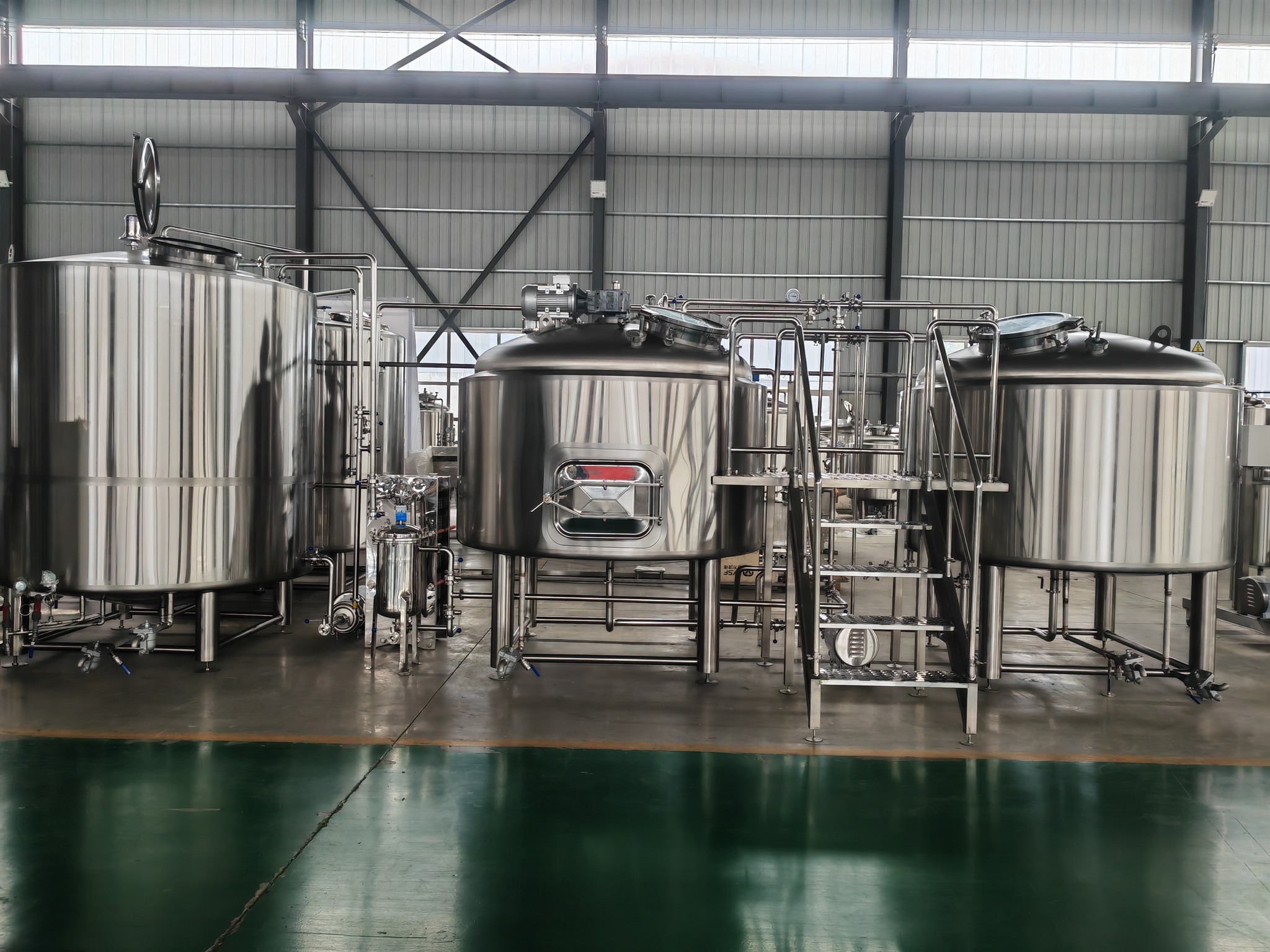
The brewhouse is where the main hot-side brewing processes take place, including mashing, lautering, boiling, and whirlpooling.
Depending on the brewery's size and production requirements, brewhouses can be configured with different numbers of vessels and levels of automation.
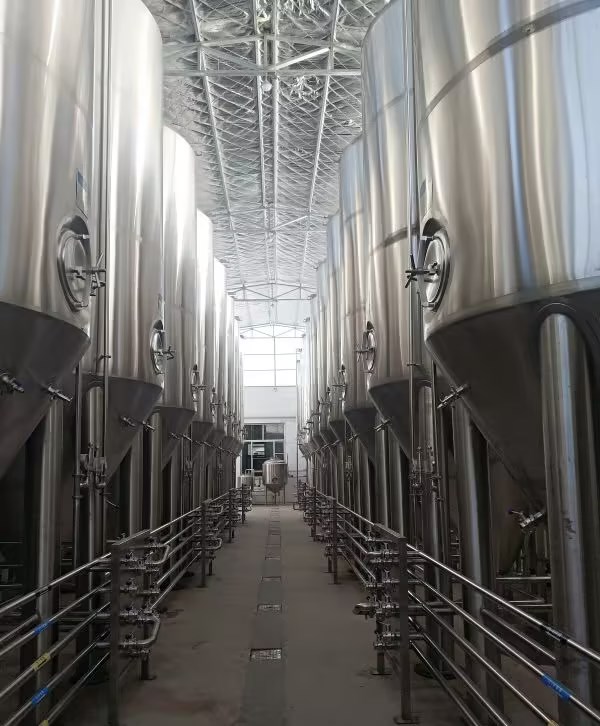
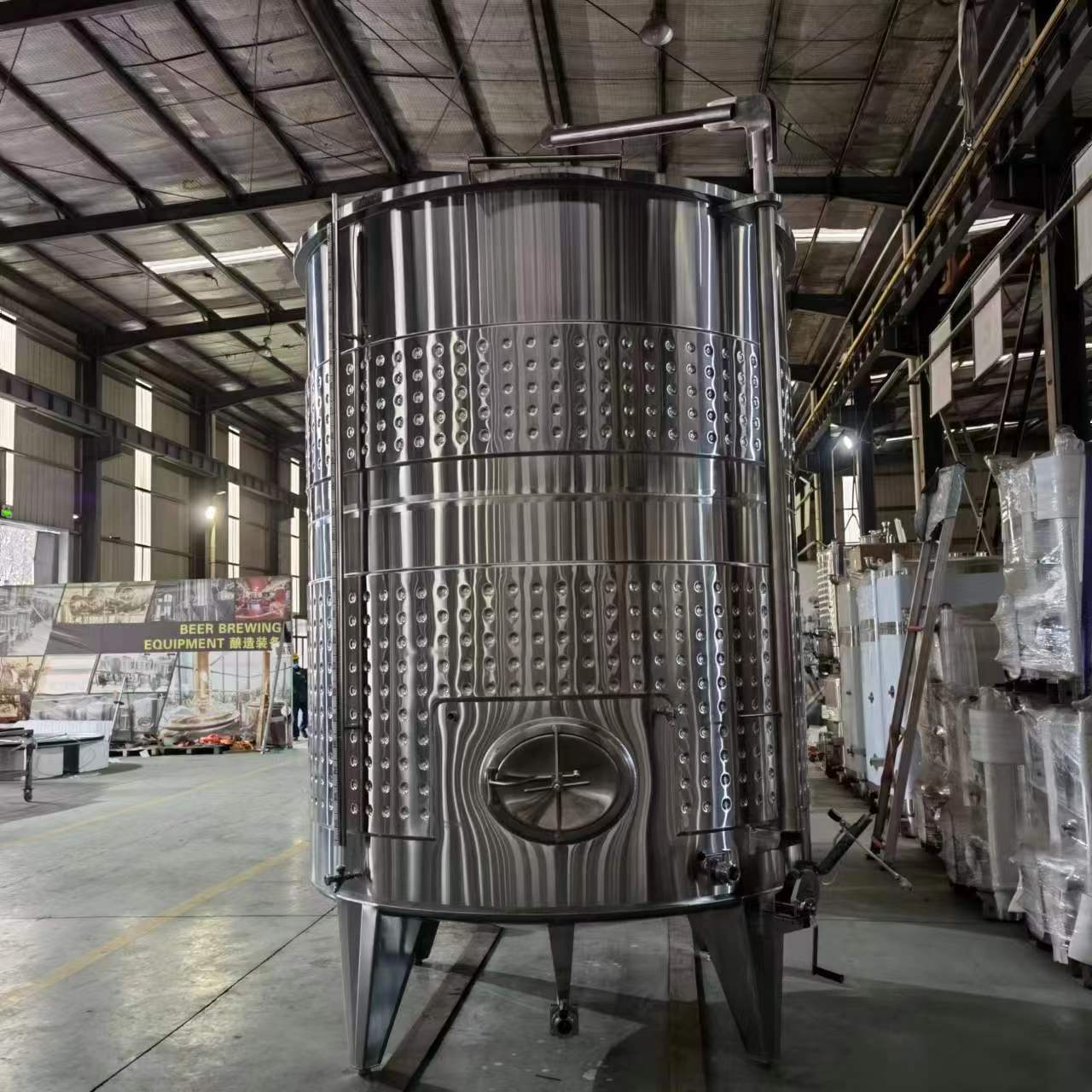
Fermentation Tanks
Fermentation tanks are used to ferment and mature beer. The number and size of fermentation tanks should be based on your production schedule, beer styles, fermentation time, and desired annual output.
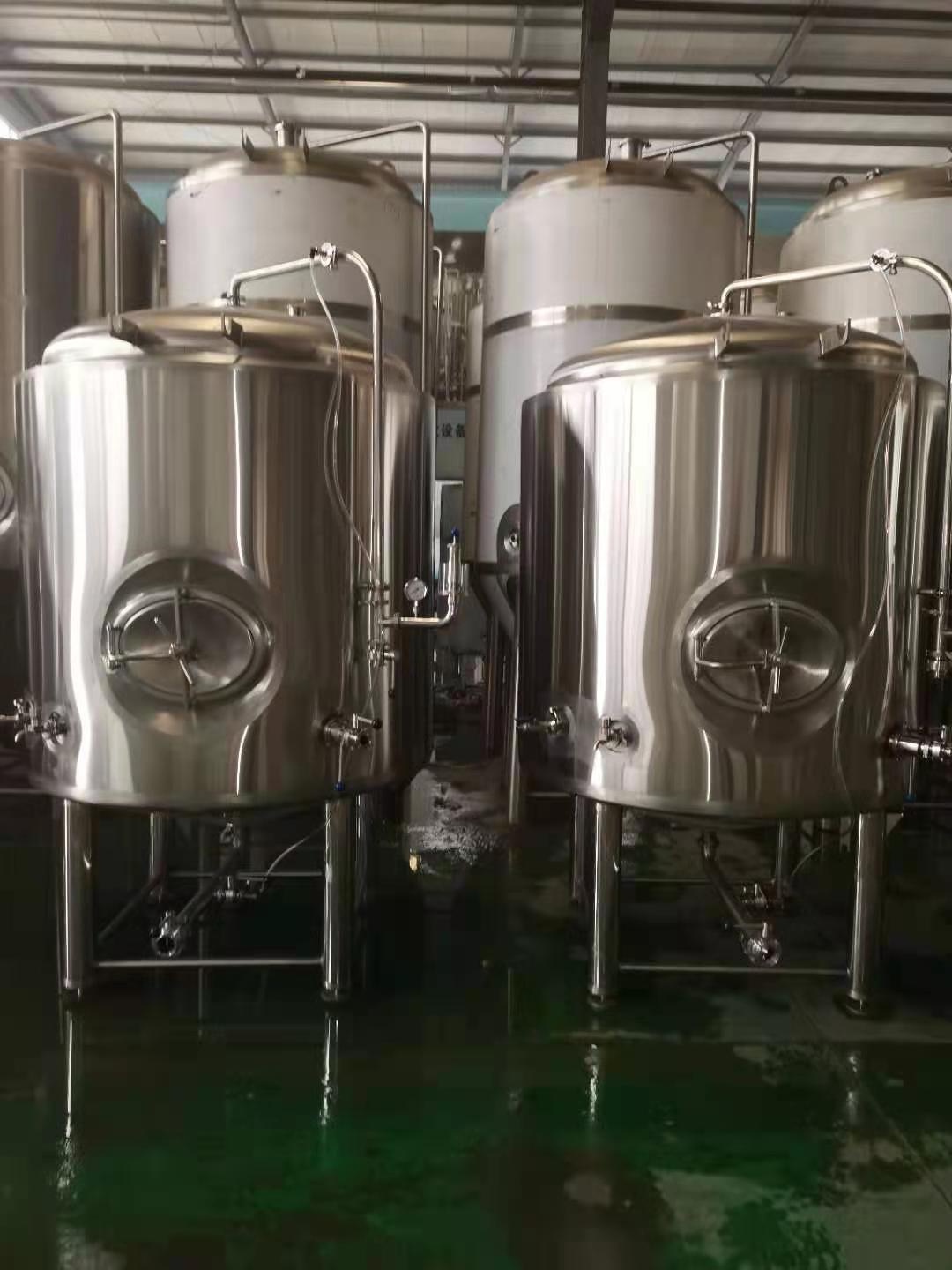
Bright Beer Tanks
Bright tanks are commonly used for beer conditioning, carbonation, storage, and preparation for packaging or serving.
Cooling and Utility Systems
A brewery also requires supporting systems such as glycol cooling, hot water, pumps, piping, control systems, and cleaning equipment.
The brewery should be designed as an integrated system rather than treating each piece of equipment as an independent component.
7. Choose the Right Brewery Equipment
Selecting the right commercial brewery equipment is one of the most important decisions in the entire project.
Depending on your brewery, equipment may include:
- Brewhouse systems
- Mash tanks
- Lauter tanks
- Boiling kettles
- Whirlpool tanks
- Fermentation tanks
- Bright beer tanks
- Hot liquor tanks
- Glycol chillers
- Wort cooling systems
- Pumps and piping
- CIP cleaning systems
- Control panels
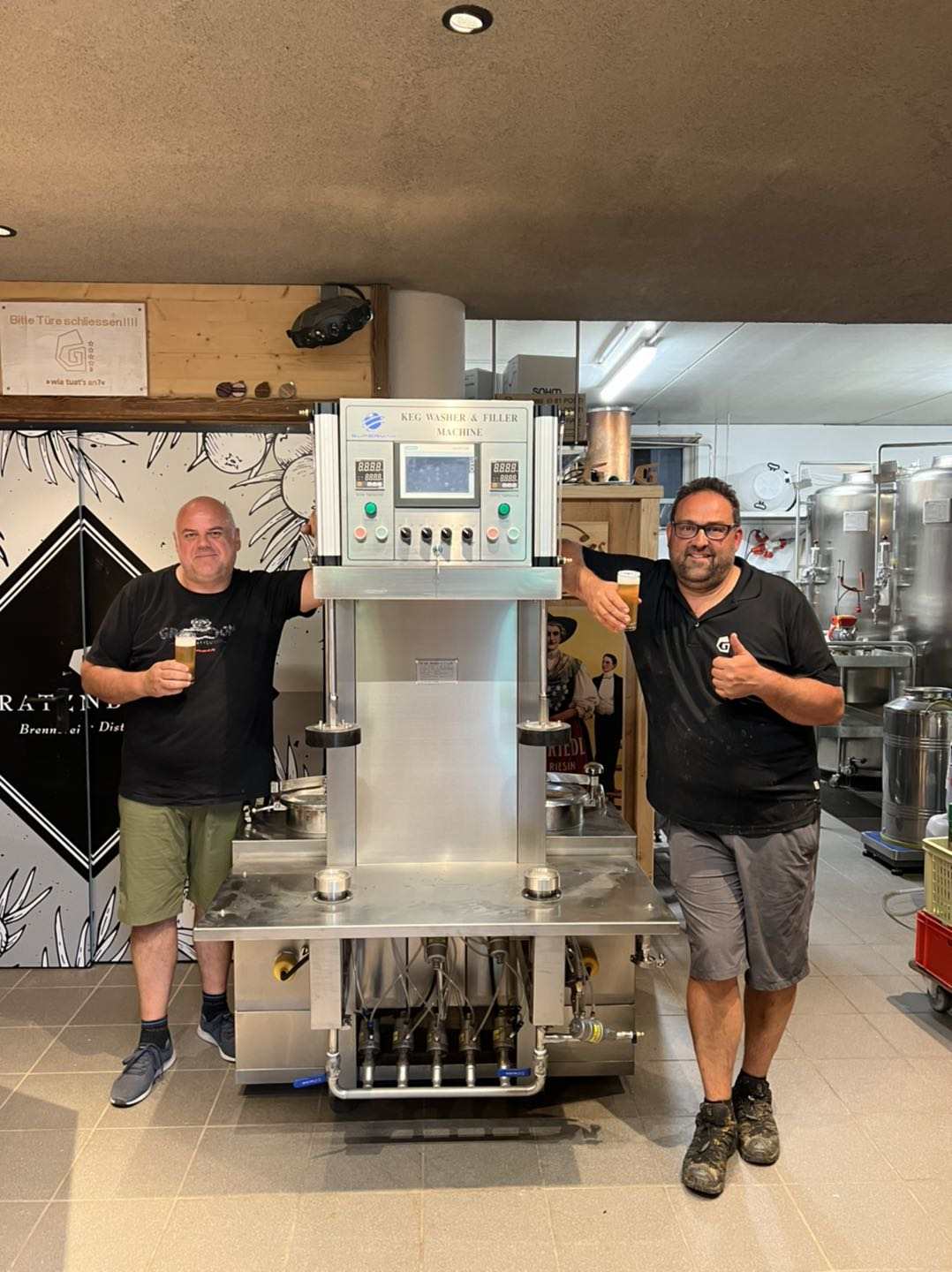
- Keg filling systems
- Bottle or can filling machines
The equipment should match your planned production capacity, available space, beer styles, budget, and future expansion plans.
Why Equipment Configuration Matters
Buying the largest brewing system possible is not always the best solution.
Oversized equipment can increase the initial investment, require more space, and potentially increase operating costs.
For a new brewery, it is often more practical to select a system that matches current production requirements while allowing additional fermentation tanks, bright tanks, or packaging capacity to be added later.
At Supermax, we work with brewery projects of different sizes and configurations, helping customers develop brewing systems based on their production goals, facility conditions, and future expansion plans.
8. Develop and Test Your Beer Recipes
Once your brewery system is planned, the next step is product development.
Your brewing team can experiment with:
- Malt varieties
- Hops
- Yeast strains
- Water profiles
- Fermentation temperatures
- Brewing processes
Many breweries start with a small core range of beers and then add seasonal, specialty, or experimental products.
When moving from pilot brewing to commercial production, process consistency becomes increasingly important. The brewing system should allow brewers to maintain stable temperatures, repeat brewing procedures, manage fermentation effectively, and monitor production quality.
9. Plan Your Packaging System
Your packaging strategy should be considered before purchasing brewing equipment.
Depending on your sales model, you may package beer into:
A brewery focused primarily on a taproom may require limited packaging capacity, while a brewery targeting wholesale distribution may need a more complete packaging line.
Packaging equipment also requires adequate floor space, utilities, storage, and workflow planning.
10. Build Your Brewery Brand
Beer quality is essential, but a strong brand can help your brewery stand out in a competitive market.
Your brand may include:
- Brewery name
- Logo
- Beer names
- Packaging design
- Taproom design
- Website
- Social media
- Brand story
Your equipment and production system should support the type of beer and customer experience your brand promises.
11. Start at the Right Scale
One of the most important decisions for a new brewery is determining the right production scale.
Starting too small may limit your ability to meet demand. Starting too large can create unnecessary financial pressure.
A practical approach is to estimate your expected sales, determine your required annual production, calculate the number of batches you can realistically produce, and then select brewhouse and fermentation capacity accordingly.
A modular microbrewery equipment system can be especially useful for startups that expect to expand production over time.
12. Work With an Experienced Brewery Equipment Manufacturer
A brewery project involves many interconnected decisions. Working with an experienced equipment manufacturer early in the planning process can help identify potential problems before construction and installation begin.
A professional brewery equipment supplier should be able to discuss:
- Production capacity
- Equipment configuration
- Brewery layout
- Fermentation capacity
- Cooling requirements
- CIP systems
- Automation
- Packaging
- Installation
- Future expansion
At Supermax, our goal is to provide more than individual brewing machines. We help brewery owners develop complete brewing equipment solutions based on their production requirements and business plans.
13. Launch and Grow Your Brewery
Before opening, make sure your brewing system, licenses, staff, recipes, quality-control procedures, packaging, and sales channels are ready.
After launch, monitor production efficiency, beer quality, customer feedback, sales performance, and operating costs.
As demand increases, your brewery can gradually expand its fermentation capacity, packaging capabilities, cooling systems, and automation.
Final Thoughts: Build the Right Brewery From the Beginning
Starting a brewery is a long-term investment. The goal should not simply be to purchase brewing equipment and start producing beer as quickly as possible.
The better approach is to build a brewery around your market, production goals, beer styles, facility, budget, and future growth plans.
From a small microbrewery to a larger commercial brewery, the right equipment configuration can make a significant difference in production efficiency, beer consistency, operating costs, and future expansion.
If you are planning to start a brewery, Supermax can help you turn your brewery concept into a practical brewing system—from brewhouse and fermentation tanks to cooling, cleaning, and packaging solutions.
Start with the right plan. Choose the right brewery equipment. Build your brewery for the future.




 WhatsApp
  Facebook
 Send Email