



 WhatsApp
  Facebook
 Send Email
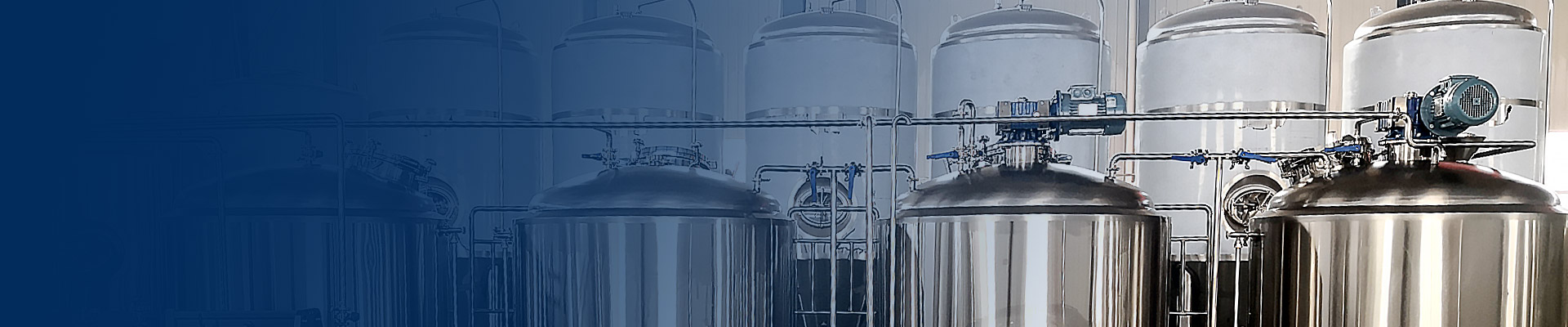
How to Choose the Right Brewery Equipment for Your Brewery | A Guide by Supermax
As the global craft beer industry continues to grow, breweries are placing greater emphasis on production efficiency, product consistency, energy efficiency, and long-term equipment investment. For new breweries and companies planning to expand their production capacity, choosing the right brewery equipment is an important step toward building an efficient and reliable brewing operation.As a professional brewery equipment manufacturer, Supermax provides brewing equipment and complete solutions for breweries with different production capacities and brewing requirements. From brewhouse systems and fermentation tanks to cooling, CIP, and packaging equipment, a properly designed brewing system can help breweries improve production efficiency while preparing for future expansion.So, what should breweries consider when choosing the right brewing equipment?
1. Determine Equipment Capacity Based on Production Requirements
Before purchasing brewery equipment, it is important to define the brewery's production goals.Small craft breweries often focus on flexibility, efficient use of space, and the ability to produce different beer styles. Medium and large commercial breweries may place greater emphasis on production efficiency, automation, and energy utilization.Supermax recommends considering annual production targets, batch size, brewing cycle, and future expansion plans when determining equipment capacity.Equipment that is too small may limit future production, while oversized equipment can increase initial investment and operating costs. Proper capacity planning is therefore an essential part of selecting brewery equipment.
2. Choose a Brewhouse System That Matches Your Brewing Process
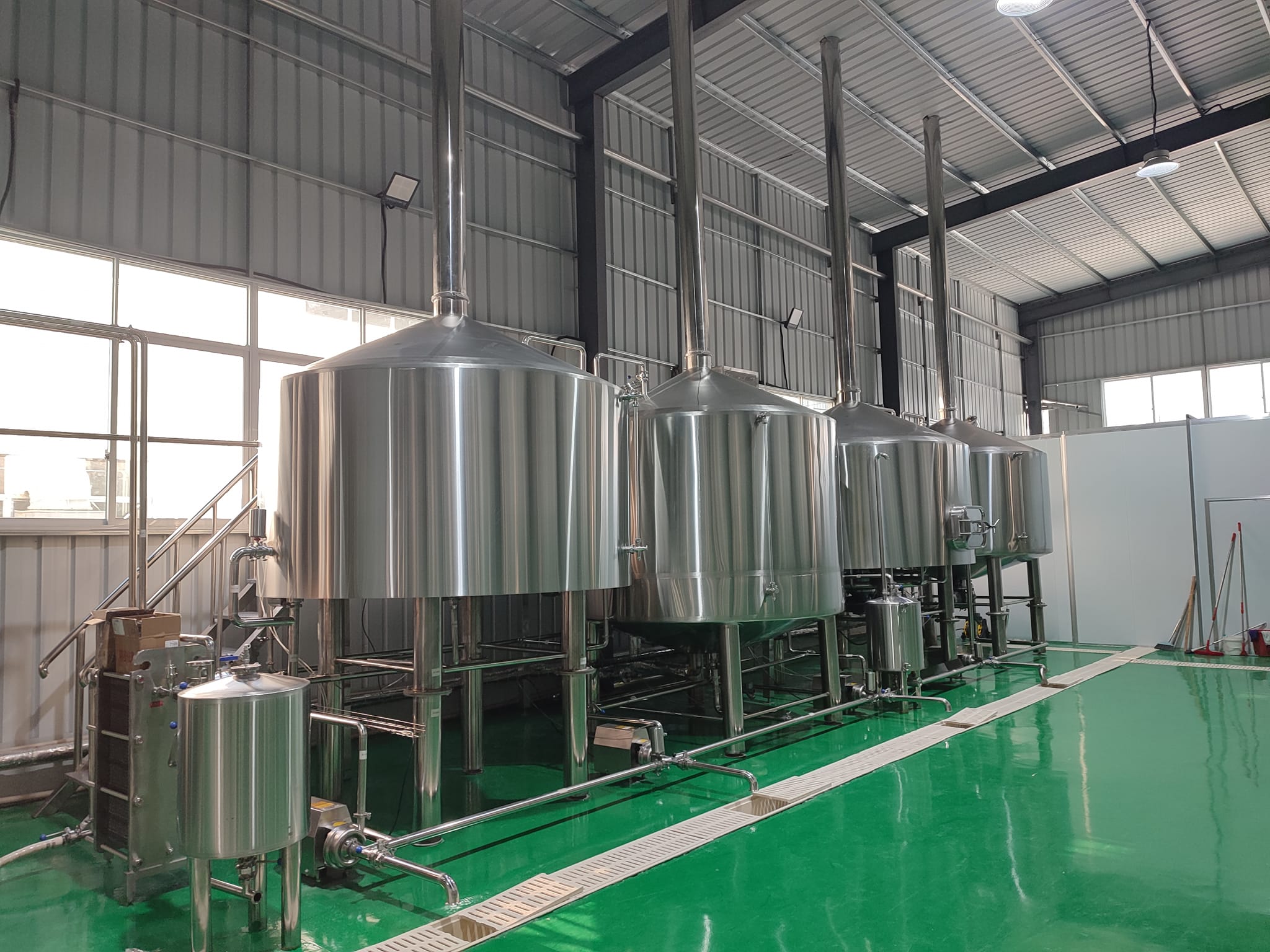
The brewhouse is one of the core systems in beer production. Different brewing processes and beer styles may require different equipment configurations.A typical brewhouse system may include:
- Mash Tun
- Lauter Tun
- Brew Kettle
- Whirlpool Tank
Different beer styles may have different requirements for mashing temperature, heating methods, agitation, and filtration.Therefore, breweries should consider more than just equipment capacity. Temperature control, heating efficiency, filtration performance, cleaning, and maintenance should also be evaluated.Supermax can configure brewhouse systems according to the customer's production capacity and brewing process, helping breweries develop equipment solutions that match their actual production requirements.
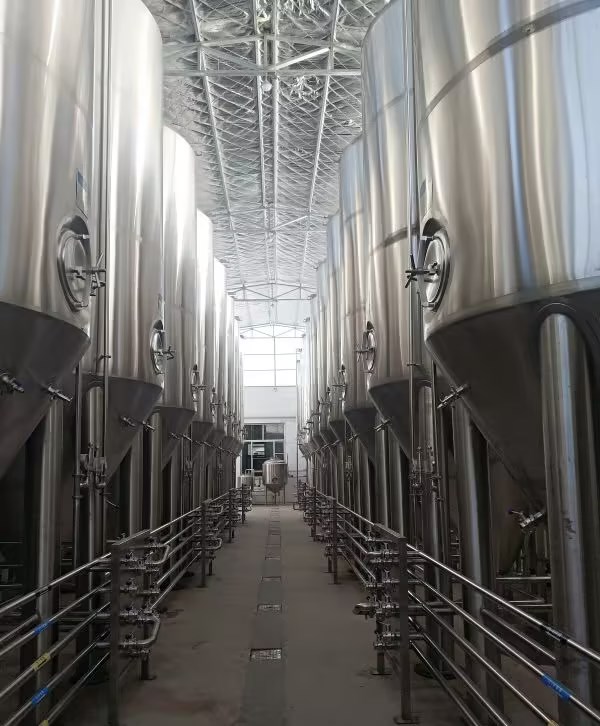
3. Plan Fermentation Tank Capacity and Quantity
Fermentation is a critical stage of beer production, and the capacity and number of fermentation tanks can directly affect a brewery's production schedule.When selecting fermentation tanks, breweries should consider:
- Tank capacity
- Number of tanks
- Working pressure
- Temperature control
- Cooling method
- Future production requirements
For craft breweries producing multiple beer styles, multiple fermentation tanks can provide greater flexibility and allow different batches or beer styles to be produced simultaneously.Supermax can help customers plan fermentation capacity according to brewhouse output, fermentation time, and production schedules, helping to minimize potential production bottlenecks.
4. Pay Attention to Equipment Materials and Hygienic Design
Hygiene is essential in beer production, making equipment materials and hygienic design important considerations when selecting brewing equipment.Stainless steel is widely used in modern brewery equipment. Proper equipment design should facilitate cleaning while minimizing areas where residues can accumulate.For modern breweries, CIP (Clean-in-Place) systems are also becoming increasingly important. A properly designed CIP system can improve cleaning efficiency and reduce manual operations.In addition to the main equipment, pipes, valves, pumps, heat exchangers, and fittings can also affect the hygiene and operating efficiency of the entire brewing system.Supermax focuses on hygienic design, practicality, and ease of maintenance when developing brewery equipment, providing customers with integrated solutions covering both major equipment and auxiliary systems.
5. Select the Right Level of Automation
Automation technology is becoming an increasingly important part of modern brewery operations.Automated control systems can help operators manage temperature, pressure, liquid levels, and other production parameters more precisely, improving process consistency.For larger breweries, PLC control, automatic temperature management, data recording, and automated production processes can further improve operational efficiency.However, a higher level of automation is not necessarily suitable for every brewery. Small craft breweries may benefit more from flexible and easy-to-operate semi-automatic systems.Supermax recommends selecting an automation solution based on production scale, budget, staffing, and future development plans, rather than simply choosing the highest possible level of automation.
6. Consider Long-Term Operating Costs, Not Just Purchase Price
For a brewery, equipment investment involves more than the initial purchase price. Energy consumption, maintenance, and labor costs can also have a significant impact on long-term operating expenses.Steam, electricity, cooling water, and cleaning water all contribute to operating costs.When comparing different brewery equipment solutions, breweries should consider:
- Heating efficiency
- Insulation performance
- Cooling efficiency
- Water consumption
- Ease of maintenance
- Spare-parts availability
- Level of automation
A well-designed brewing system that offers reliable operation and convenient maintenance can provide long-term value for brewery operators.
7. Choose a Brewery Equipment Supplier with Project Experience
Brewery equipment is generally a long-term investment, making the manufacturer's production capabilities, project experience, and after-sales service important factors in the purchasing decision.Before selecting a supplier, breweries can evaluate:
- Brewery equipment manufacturing experience
- International and domestic project references
- Process design capabilities
- Installation and commissioning services
- Technical support
- Spare-parts supply
- After-sales service
For a complete brewery project, the equipment itself is only one part of the solution. Process design, equipment configuration, installation, commissioning, and technical support can all contribute to the overall performance of the brewery.Supermax specializes in brewery equipment and related systems, providing professional support for breweries of different sizes—from equipment configuration and system design to project implementation.
Conclusion: Choose Equipment for Today and Plan for Tomorrow
Choosing the right brewery equipment is not simply about comparing prices from different suppliers. It requires a comprehensive evaluation of production capacity, beer styles, brewing processes, equipment configuration, automation, hygienic design, energy efficiency, and future expansion plans.For companies building a new brewery or expanding their production capacity, detailed process analysis and capacity planning at the early stage can help reduce future modification costs and establish a more stable and efficient brewing operation.As a professional brewery equipment supplier, Supermax is committed to providing reliable brewing equipment and professional system solutions for breweries around the world, helping customers achieve efficient, stable, and flexible production.Supermax — Professional Brewery Equipment Solutions for Breweries Around the World.
- Prev: Fermenter vs Brite Tank: What Is the Difference?
- Next: none

-
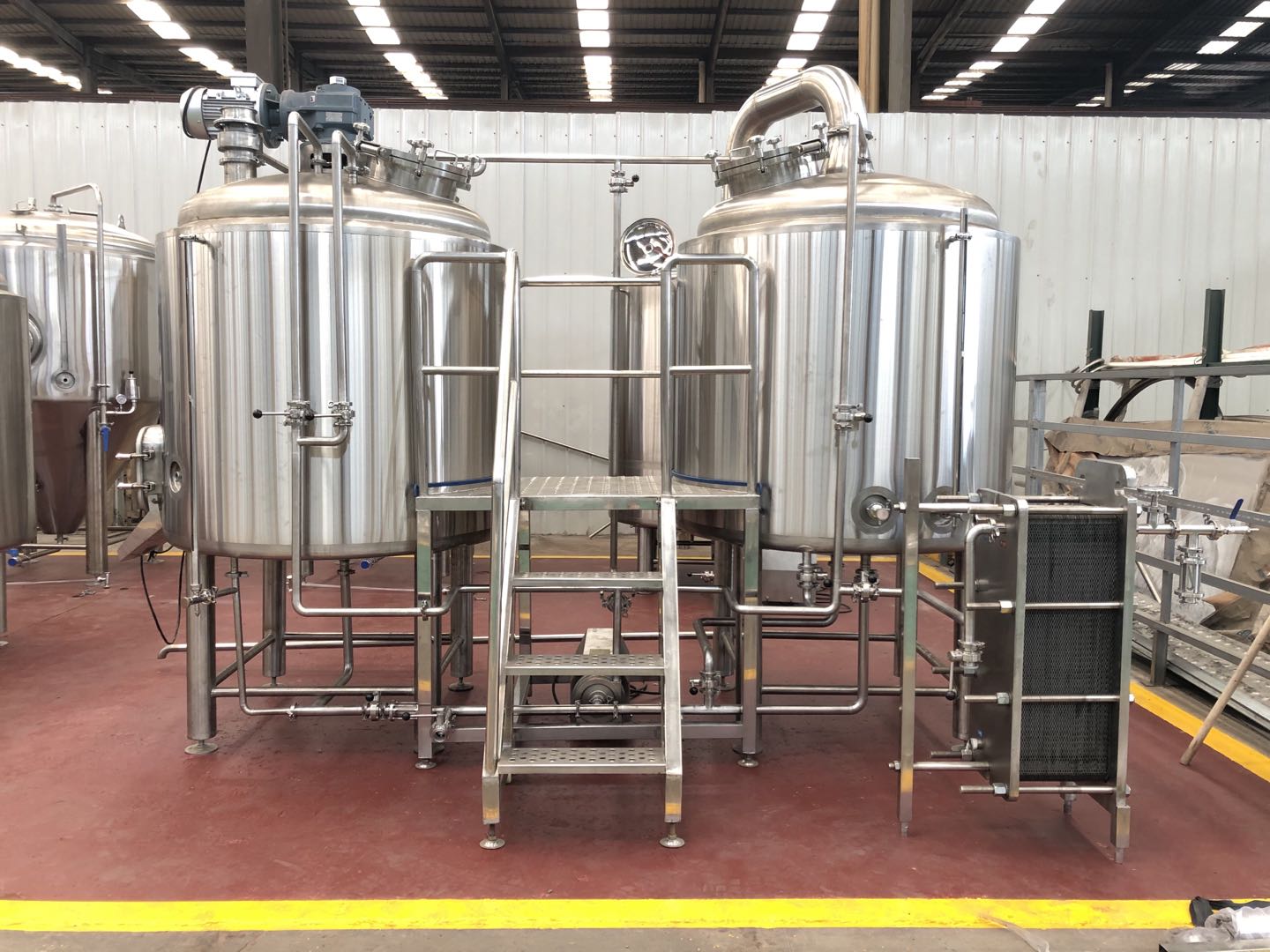
1000L Craft Beer Equipment
Read More -
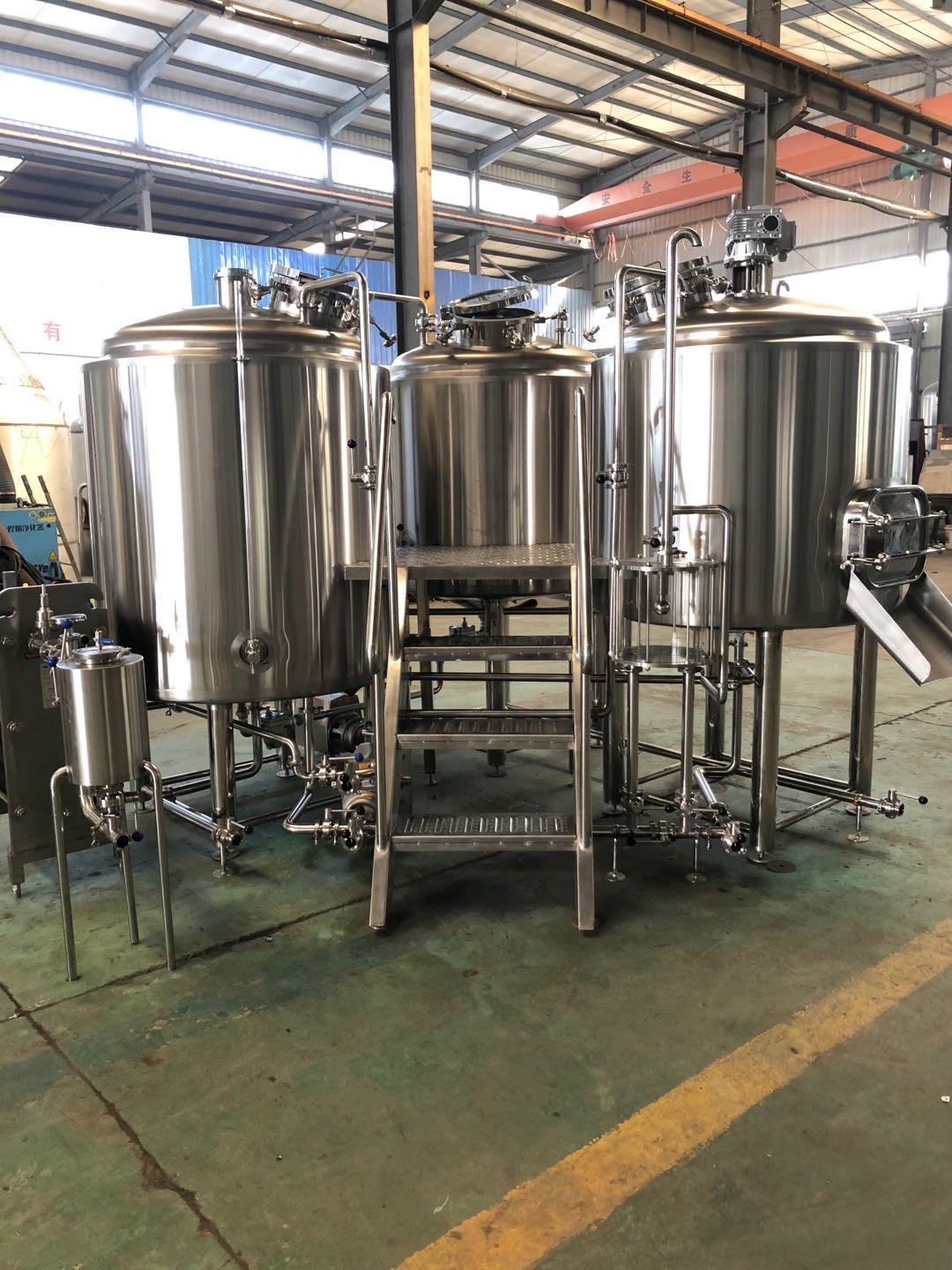
500L Beer Brewhouse
Read More -
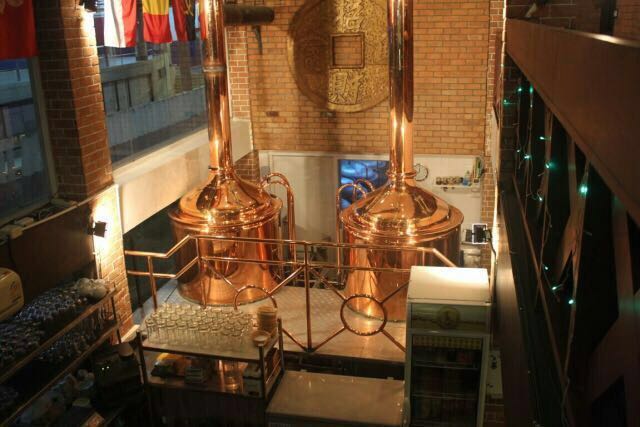
100L-300L Beer Brewing Equipme
Read More -
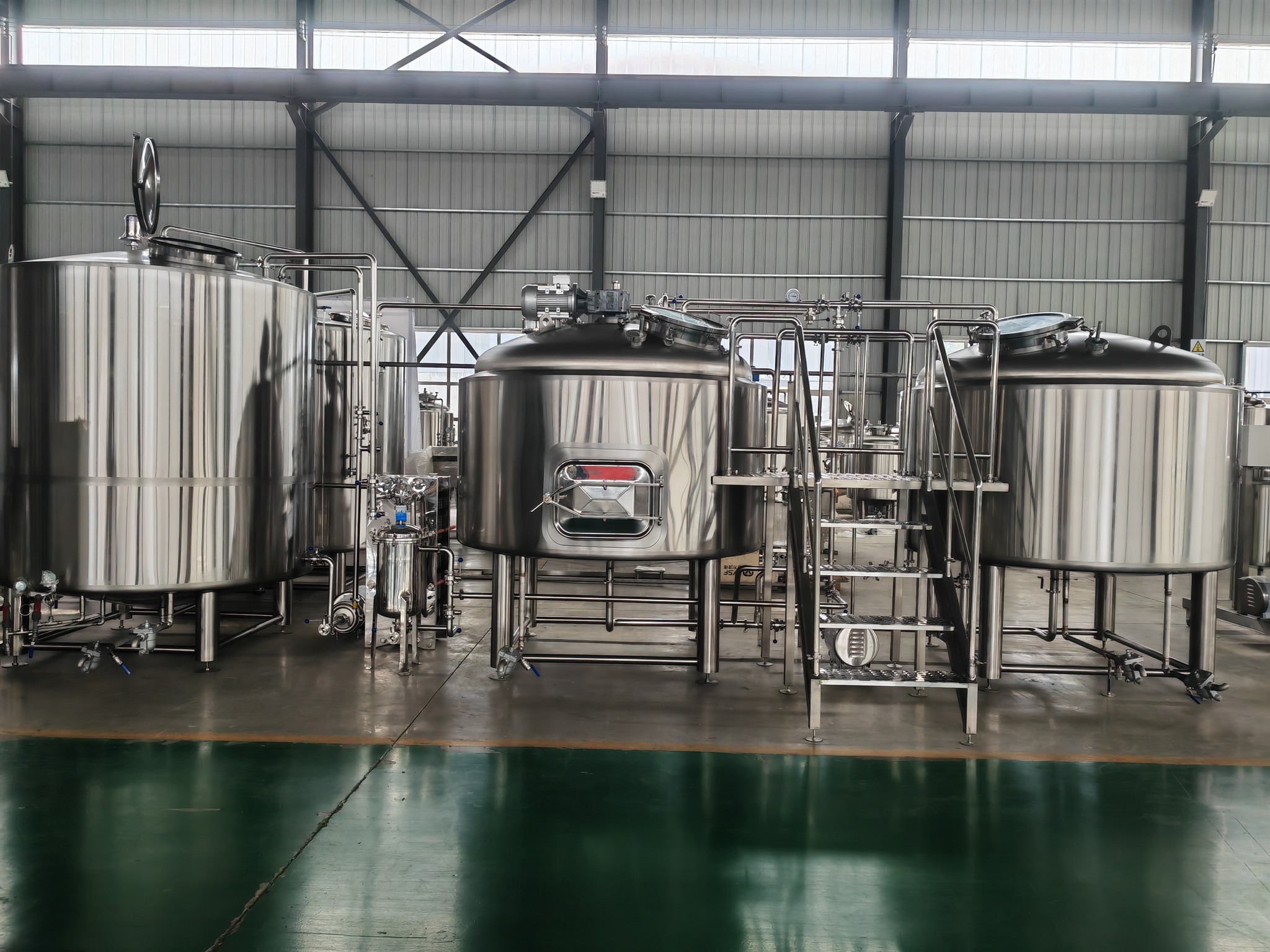
2000L Brewing Beer Equipment
Read More -
3000L Turnkey Brewery Equipmen
Read More -
300L-5000L Fermentation System
Read More -
300L-5000L Brite Beer Tanks
Read More -
Fruit Wine Equipment
Read More -
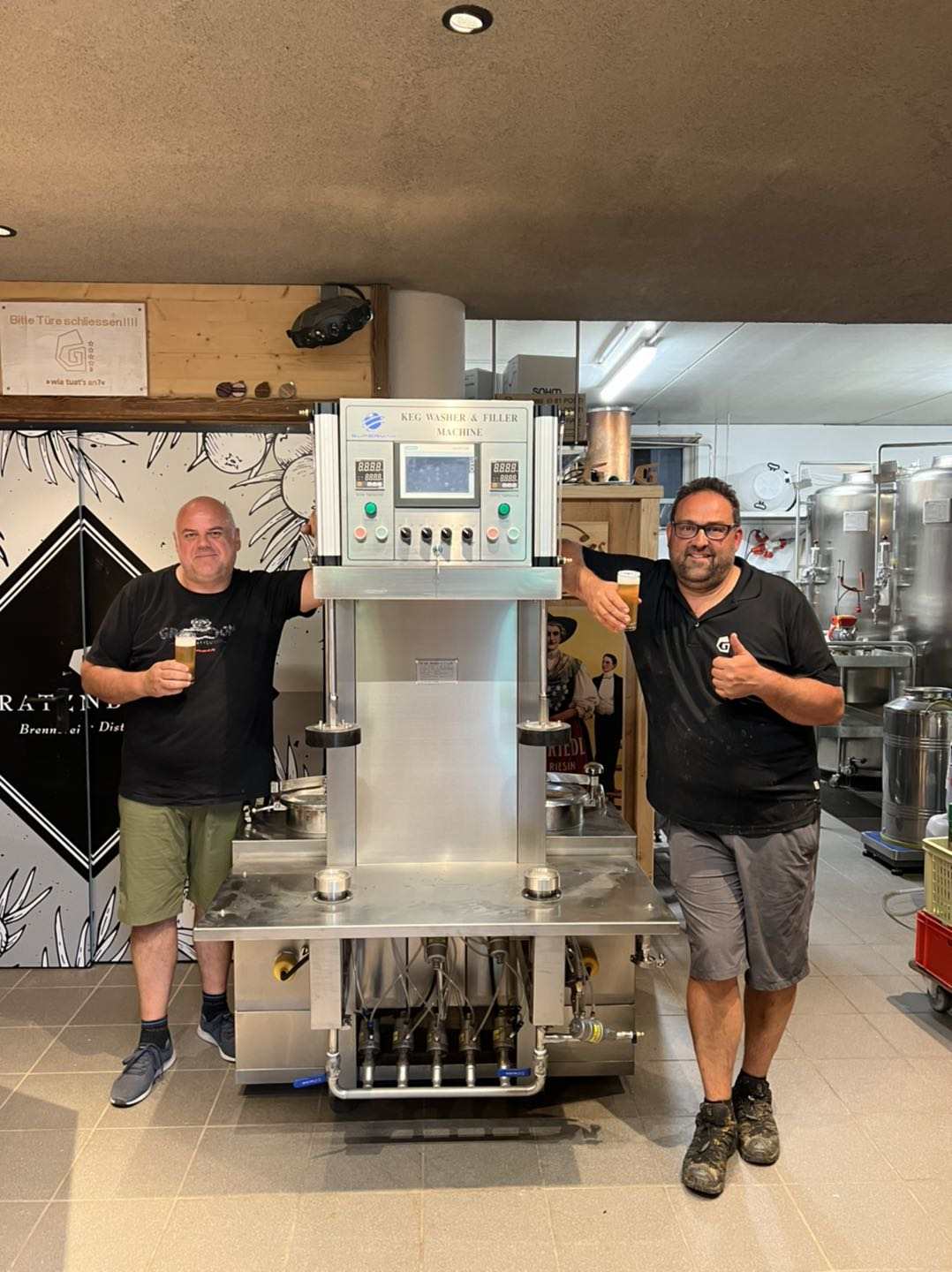
Beer Filling System
Read More -
Auxiliary Products
Read More