



 WhatsApp
  Facebook
 Send Email
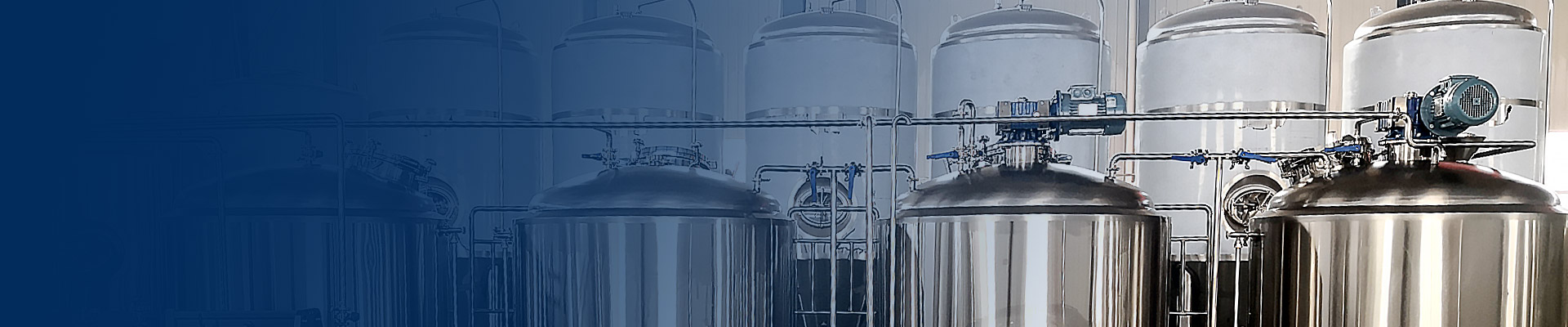
2-Vessel vs 3-Vessel vs 4-Vessel Brewhouse: Which One Is Right for Your Brewery?
When planning a new brewery or upgrading an existing beer production line, choosing the right brewhouse configuration is an important decision. Among the most common options are 2-vessel, 3-vessel, and 4-vessel brewhouses.
All three systems can produce high-quality wort for beer brewing, but they differ in process separation, production flexibility, equipment footprint, investment, and potential for higher brewing efficiency.
So, which brewhouse is right for your brewery?
The answer depends on your production capacity, brewing process, available space, budget, and future development plans.
What Is a 2-Vessel Brewhouse?
A 2-vessel brewhouse combines several brewing functions into two main tanks.
A typical configuration consists of:
- •Mash/Lauter Tun
- •Brew Kettle/Whirlpool Tank
Mashing and lautering are generally handled in the first vessel, while wort boiling and whirlpooling are carried out in the second vessel.
The biggest advantage of a 2-vessel brewing system is its compact structure. With fewer vessels and supporting components, it can help reduce the required floor space and simplify the overall equipment layout.
A 2-vessel brewhouse is commonly considered for small craft breweries, brewpubs, startup breweries, and projects with limited production space.
It can also be a practical option when the brewery has a relatively straightforward brewing schedule and wants to control the initial equipment investment.
What Is a 3-Vessel Brewhouse?
A 3-vessel brewhouse separates the major brewing processes into three dedicated vessels.
A common configuration includes:
- •Mash Tun
- •Lauter Tun
- •Brew Kettle/Whirlpool Tank
The separate Mash Tun and Lauter Tun allow the mashing and lautering processes to be handled independently.
Compared with a 2-vessel system, a 3-vessel brewhouse provides more flexibility in brewing operations. It can be particularly useful when a brewery works with different recipes, larger grain bills, or more demanding production schedules.
For many commercial breweries and growing craft breweries, a 3-vessel brewing system provides a balance between equipment flexibility, production efficiency, and investment.
What Is a 4-Vessel Brewhouse?
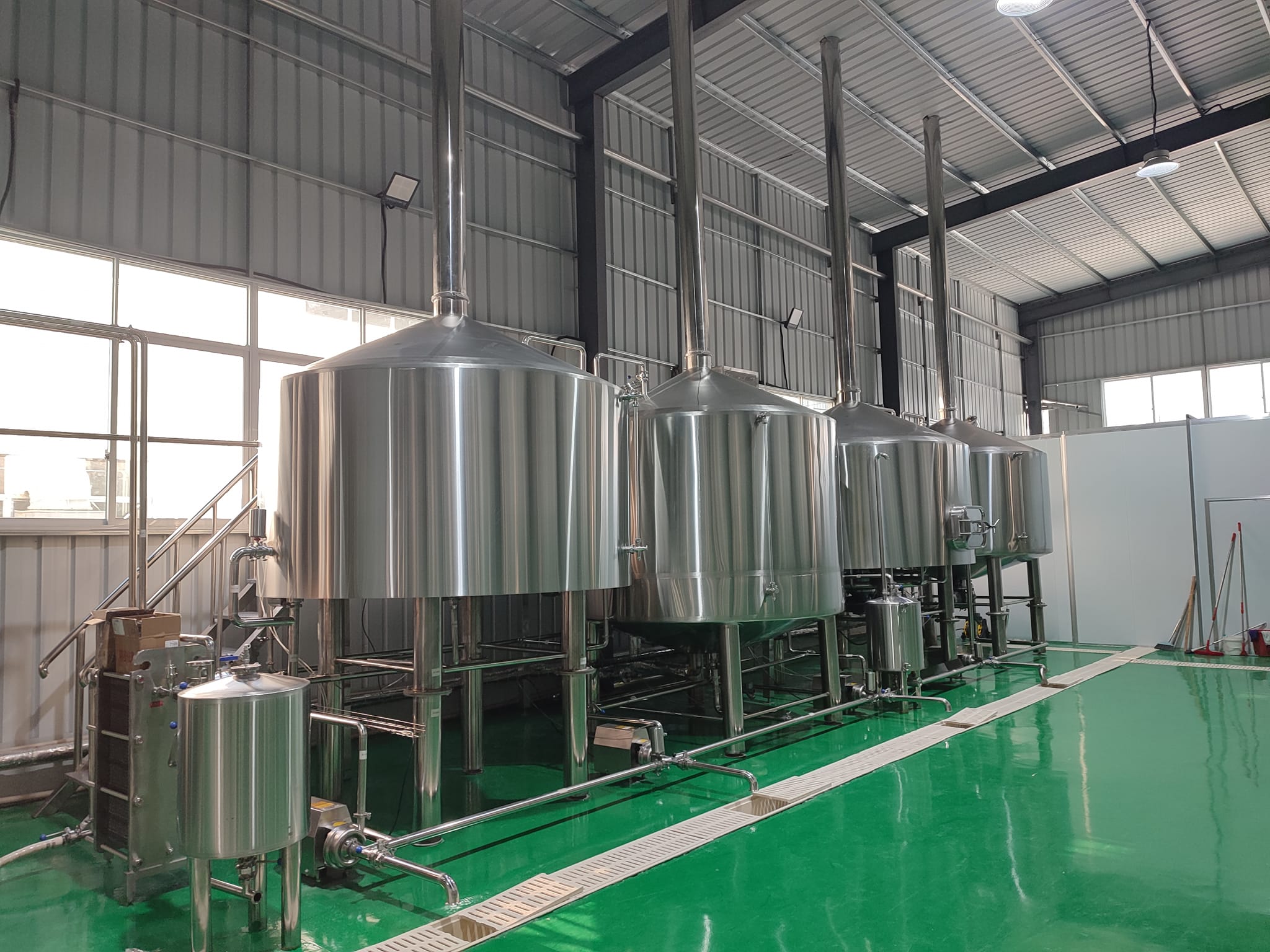
A 4-vessel brewhouse provides an even higher level of process separation.
A typical configuration may include:
- •Mash Tun
- •Lauter Tun
- •Brew Kettle
- •Whirlpool Tank
Each vessel is designed for a specific stage of the brewing process.
Because the processes can be handled more independently, a 4-vessel brewhouse can provide greater flexibility for breweries with more complex production requirements and higher brewing frequency.
The additional vessels can also allow different brewing stages to overlap, depending on the system design and operating method.
A 4-vessel system is therefore often considered for larger craft breweries, commercial breweries, and projects where brewing efficiency and production flexibility are important priorities.
2-Vessel vs 3-Vessel vs 4-Vessel Brewhouse
The main difference between these systems is the degree to which the brewing processes are separated.
2-Vessel Brewhouse
A 2-vessel system offers:
- •Compact equipment layout
- •Smaller footprint
- •Fewer vessels and components
- •Lower initial equipment complexity
- •Suitable for small and medium-sized breweries
- •Practical for straightforward brewing schedules
3-Vessel Brewhouse
A 3-vessel system offers:
- •Independent Mash Tun and Lauter Tun
- •Greater brewing flexibility
- •Better process separation
- •Suitable for growing breweries
- •Adaptable to different recipes and production requirements
- •A balance between compactness and production flexibility
4-Vessel Brewhouse
A 4-vessel system offers:
- •Dedicated vessels for major brewing stages
- •Higher process separation
- •Greater flexibility for production scheduling
- •Suitable for higher-frequency brewing operations
- •More options for overlapping brewing processes
- •Suitable for larger or more production-focused breweries
Which Brewhouse Is Right for Your Brewery?
There is no single brewhouse configuration that is suitable for every brewery.
A 2-vessel brewhouse may be appropriate when space, investment, and equipment simplicity are important considerations.
A 3-vessel brewhouse may be suitable when the brewery needs more independent control of the brewing process while maintaining a relatively balanced equipment configuration.
A 4-vessel brewhouse may be considered when production flexibility, process separation, and brewing frequency become more important.
The decision should be based on the actual brewery project rather than simply choosing a system with more vessels.
Key Factors to Consider Before Choosing a Brewhouse
1. Production Capacity
Consider the required batch size, expected number of brews per day, and monthly beer production.
A brewery producing a few batches per week has different equipment requirements from a commercial brewery operating multiple brewing cycles every day.
2. Brewing Recipes
Different beer styles can have different requirements for mashing, lautering, boiling, and wort handling.
If the brewery plans to produce a wide range of beer styles, greater process flexibility may be an important consideration.
3. Available Space
The brewhouse needs sufficient space not only for the vessels themselves, but also for pumps, piping, valves, platforms, control panels, maintenance access, and operator movement.
A compact 2-vessel system can be attractive when floor space is limited, while larger configurations require more careful layout planning.
4. Automation Requirements
Brewhouses can be designed with manual, semi-automatic, or fully automatic control systems.
The appropriate automation level depends on production requirements, labor availability, operating preferences, and project budget.
5. Future Expansion
A brewery should also think beyond its current production capacity.
Future expansion may include additional fermenters, bright beer tanks, CIP systems, keg filling machines, canning lines, or other brewery equipment.
Planning the brewhouse together with the future production system can help create a more practical brewery layout.
Supermax Brewhouse Solutions
At Supermax, we manufacture and customize 2-vessel, 3-vessel, and 4-vessel beer brewing systems for breweries with different production capacities and brewing requirements.
Our brewhouses can be customized according to:
- •Brewing capacity
- •Vessel configuration
- •Heating method
- •Automation level
- •Brewery layout
- •Brewing process
- •Local operating conditions
- •Future expansion requirements
From compact craft brewing systems to larger commercial beer brewing equipment, Supermax provides integrated brewhouse solutions for breweries around the world.
Choosing between a 2-vessel, 3-vessel, or 4-vessel brewhouse is ultimately a matter of matching the equipment configuration to the brewery's actual production needs.
Supermax — Professional Beer Brewing Equipment Manufacturer
If you are planning a new brewery, upgrading an existing brewhouse, or expanding beer production, contact Supermax to discuss a customized 2-vessel, 3-vessel, or 4-vessel brewing system for your project.
- Prev: How Does a Glycol Cooling System Work in a Brewery?
- Next: none

-
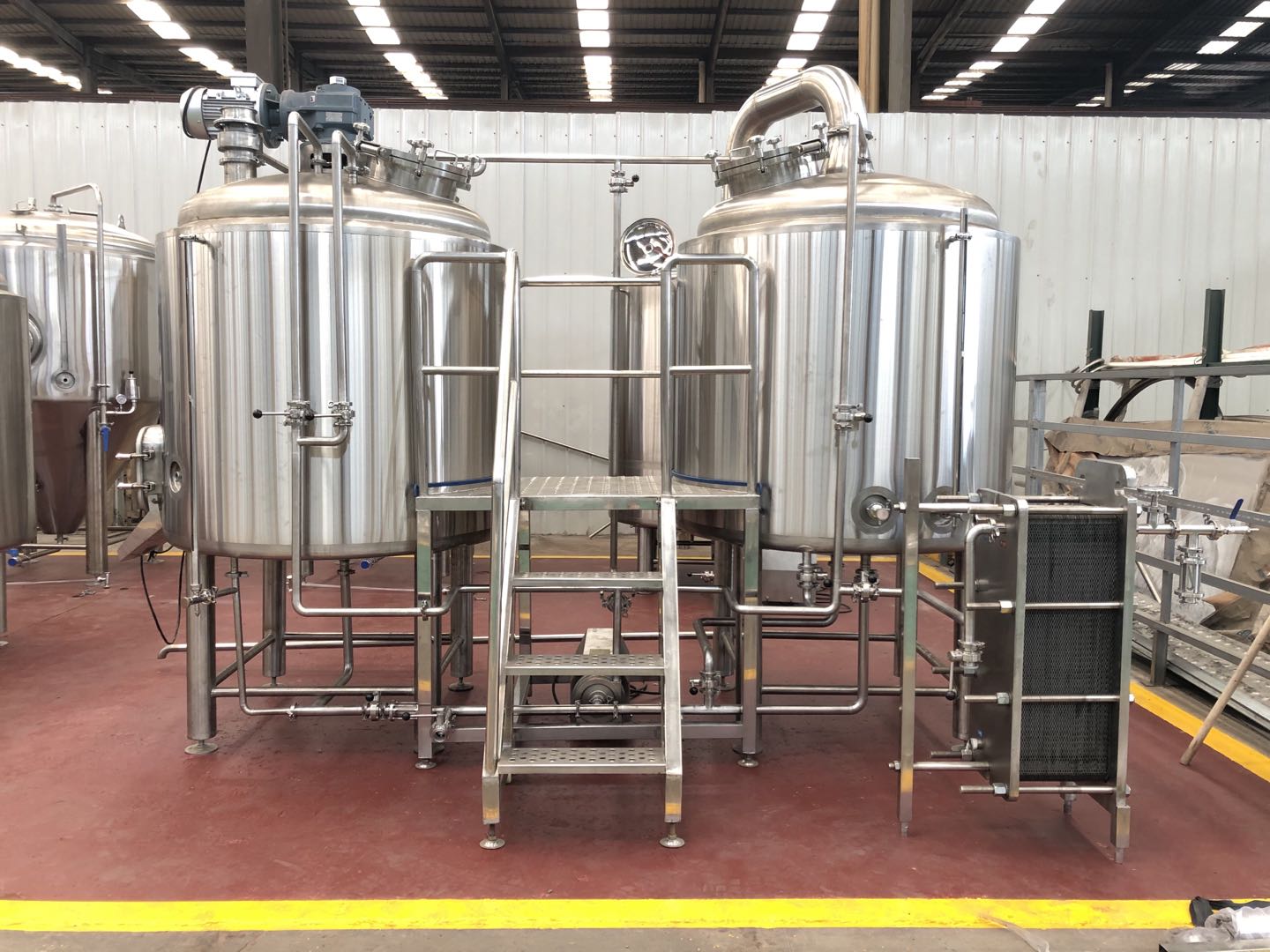
1000L Craft Beer Equipment
Read More -
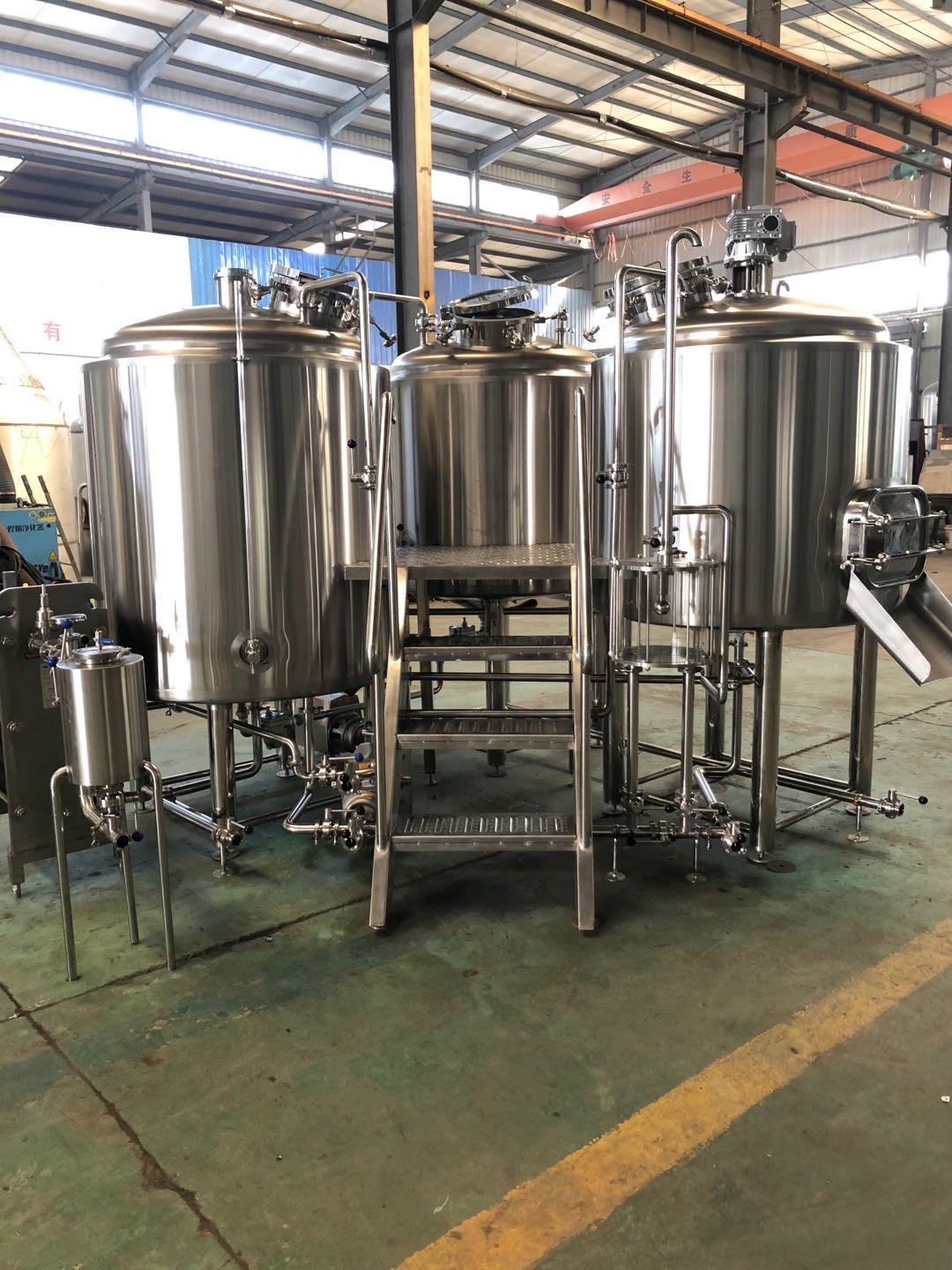
500L Beer Brewhouse
Read More -
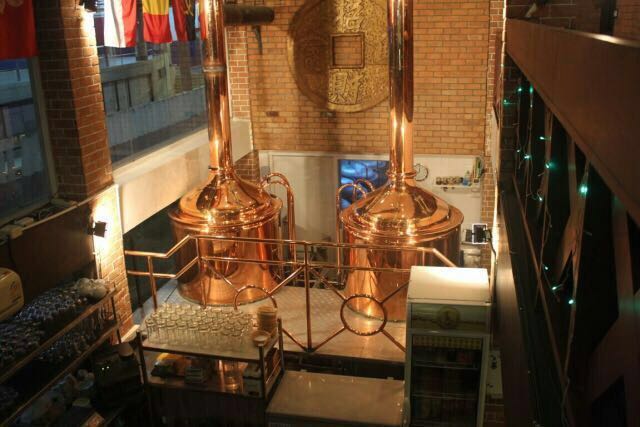
100L-300L Beer Brewing Equipme
Read More -
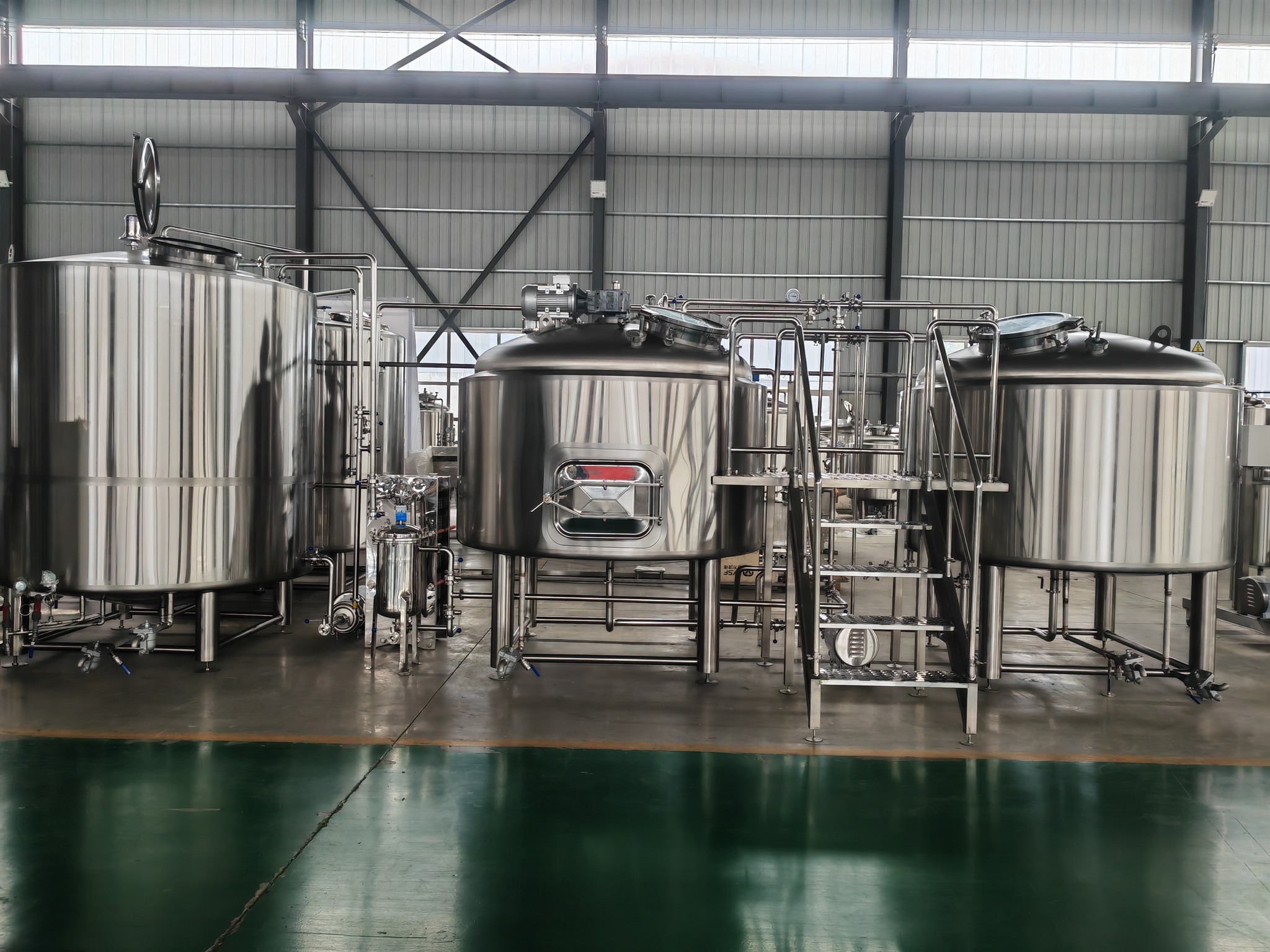
2000L Brewing Beer Equipment
Read More -
3000L Turnkey Brewery Equipmen
Read More -
300L-5000L Fermentation System
Read More -
300L-5000L Brite Beer Tanks
Read More -
Fruit Wine Equipment
Read More -
Beer Filling System
Read More -
Auxiliary Products
Read More